Inside Coleman: A Hatchery Doing More With Less
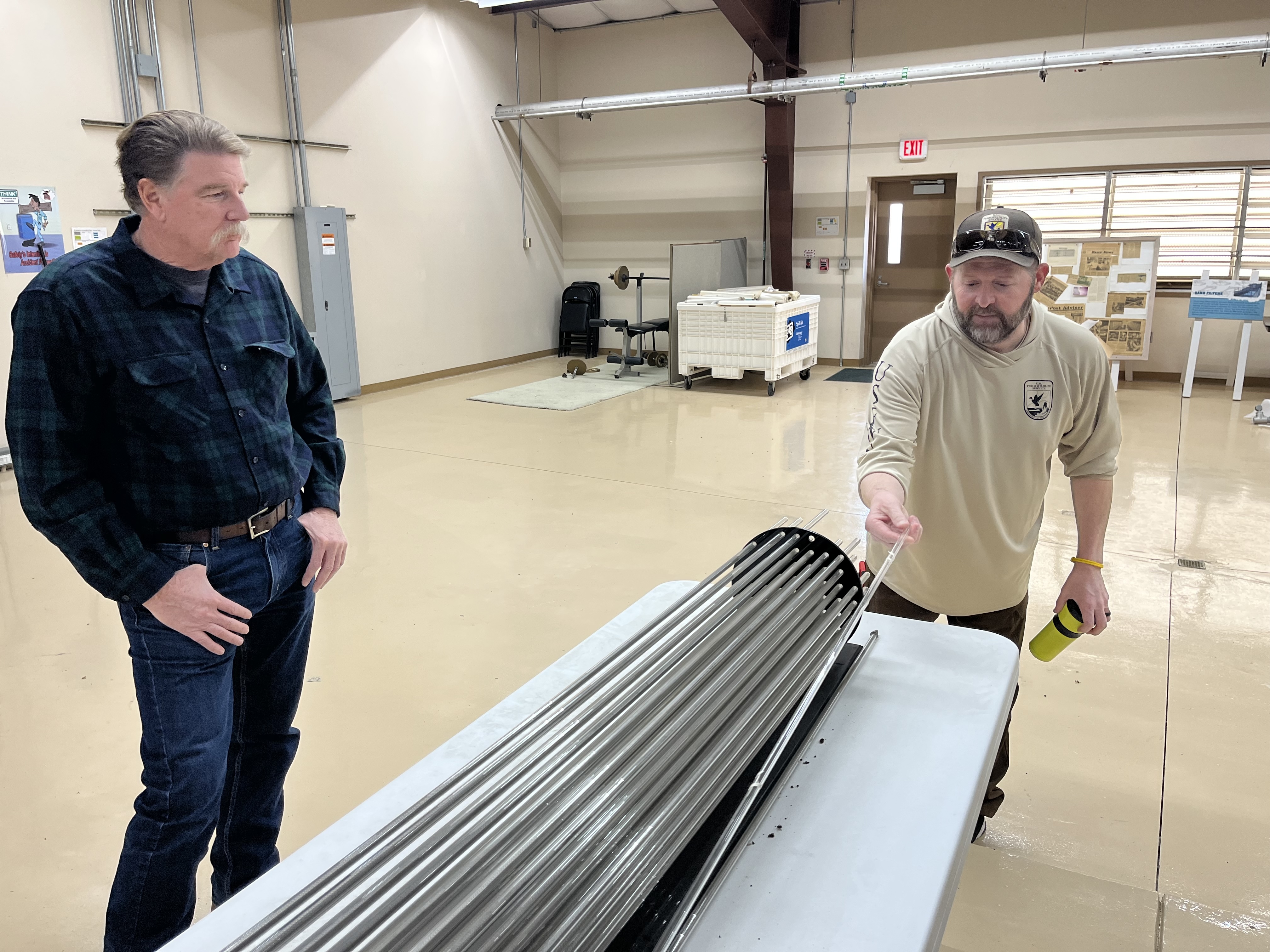
GSSA executive director Vance Staplin recently visited the Coleman National Fish Hatchery, south of Redding, to learn about current conditions and challenges. What he found was a highly resourceful hatchery team making do in a challenging environment without all the necessary resources. Hatchery manager Brett Galyean and USFWS Habitat Restoration Division Chief Matt Barry explained that the clean, cold water the hatchery needs from Battle Creek is threatened by PG&E’s plans to change the upstream plumbing that supplies much of it.
Cold Water Is Everything — and It’s at Risk
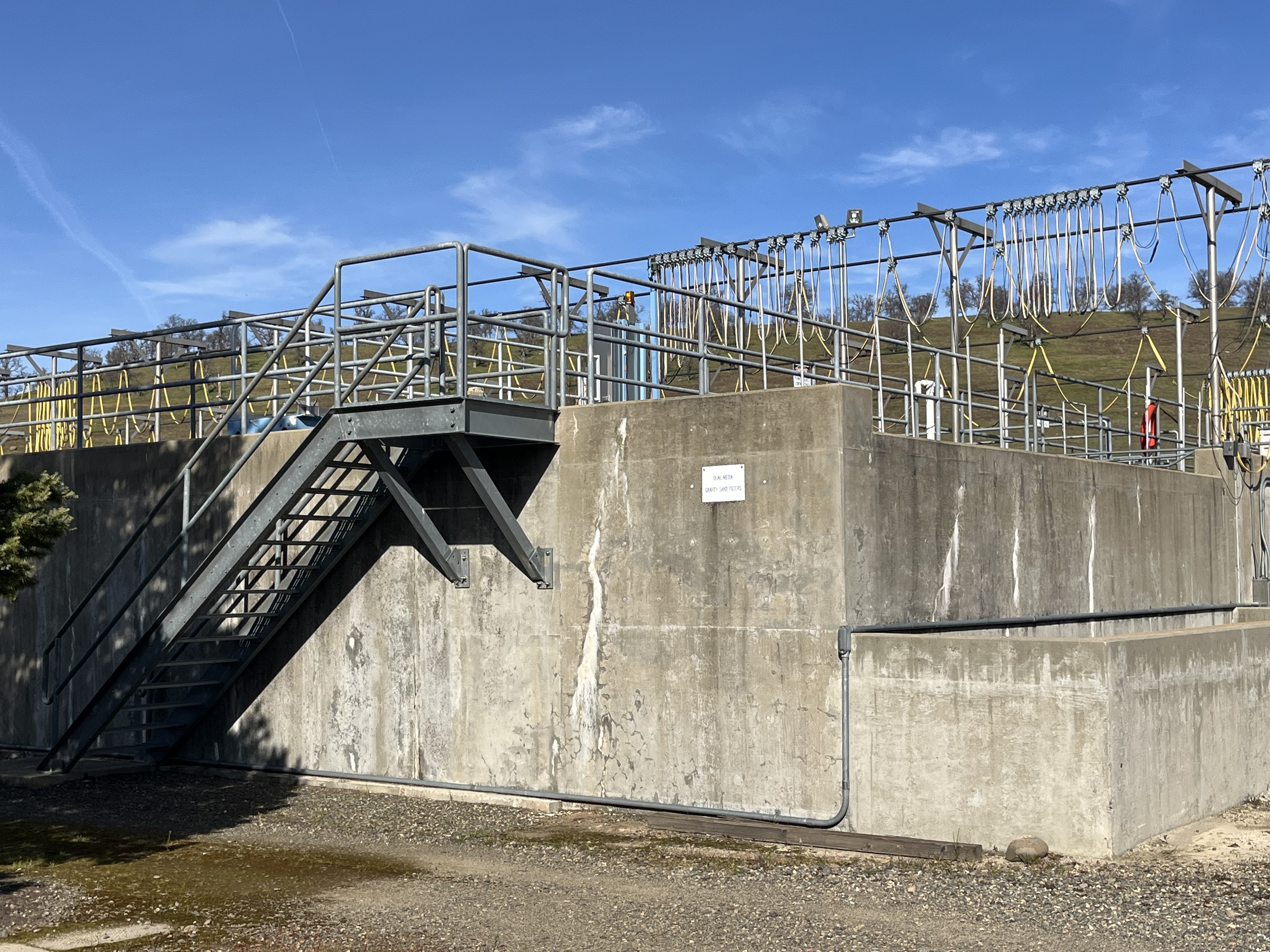
Although Battle Creek was chosen long ago as a hatchery location because of the cold spring-fed water coming off the sides of Mt. Lassen, that water isn’t always cold enough in the late summer and fall. The hatchery needs it to raise yearling late-fall-run king salmon and steelhead. Of the three water intakes supplying the hatchery, the one from the PG&E facility upstream (which could be discontinued) supplies the coldest water.
When Critical Infrastructure Goes Offline
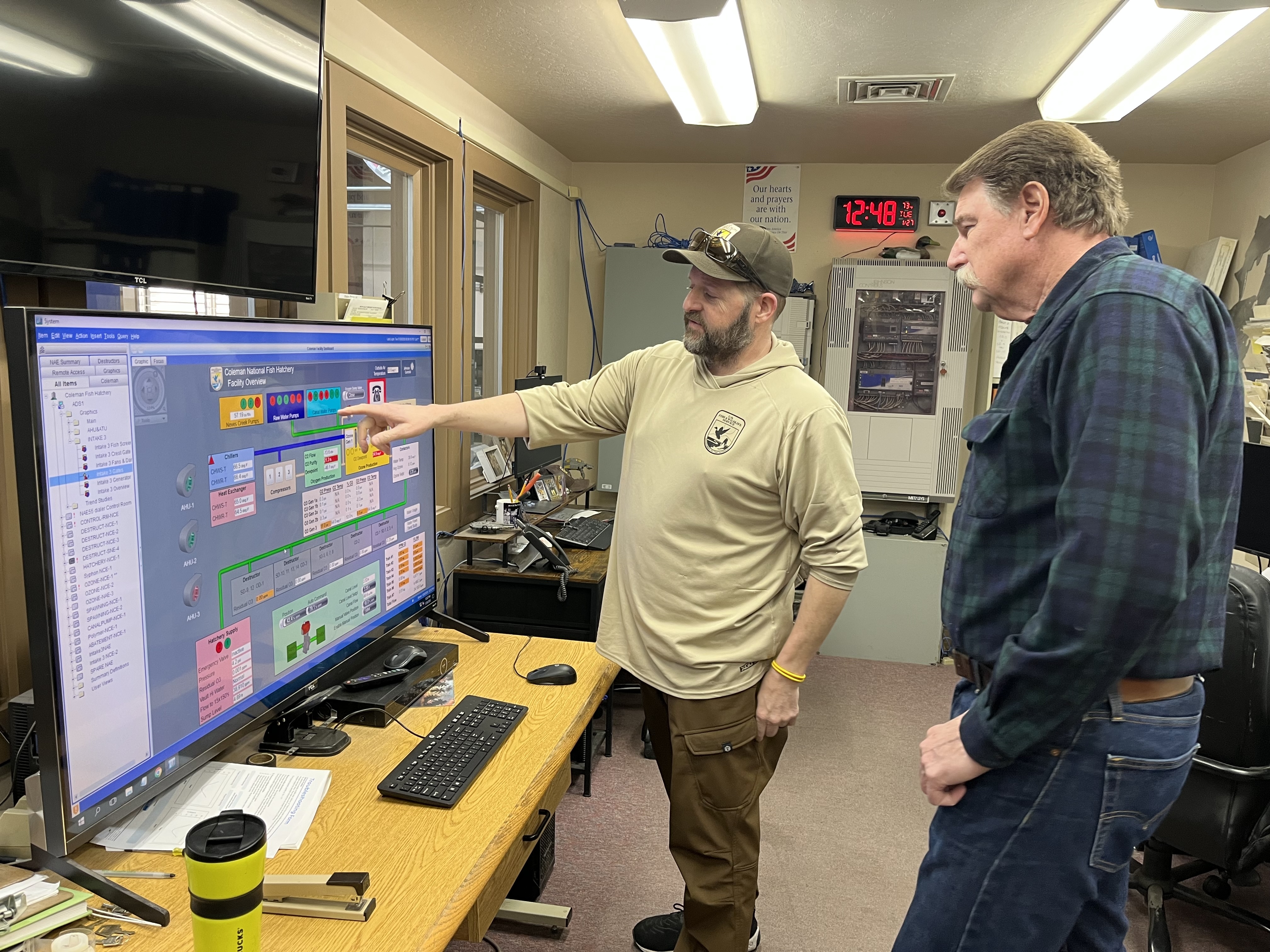
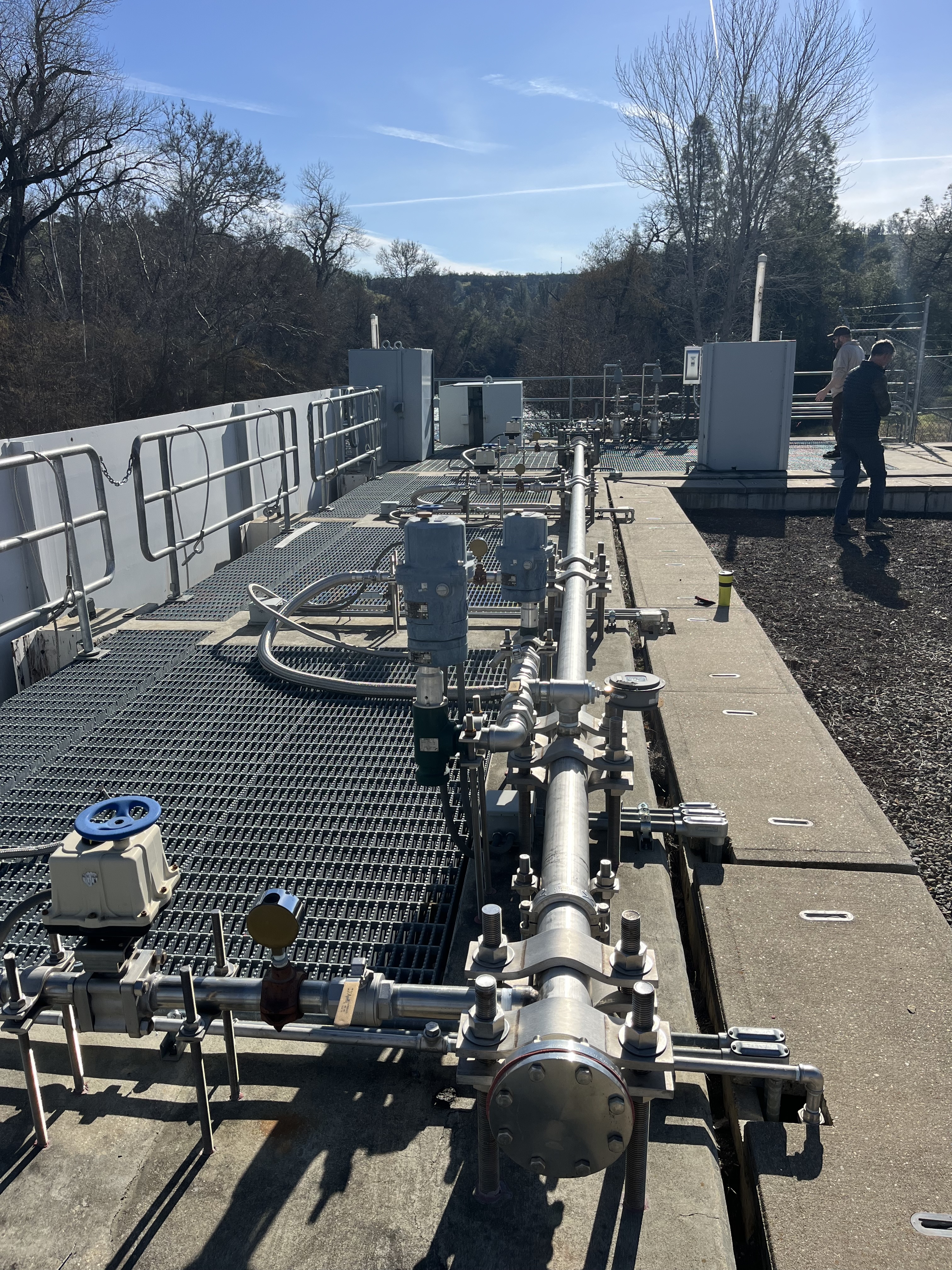
The hatchery also has an ozone water treatment facility that has been offline recently due to federal funding issues. When working, this kills microbes and pathogens in the water that can be lethal to incubating salmon eggs in the hatchery. Staplin got a look at the control room for the ozone treatment facility, which resembled a nuclear power plant control room.
California’s Largest Hatchery, With the Longest Odds
Coleman is the biggest salmon hatchery in California. It aims to release 12 to 13 million salmon smolts annually to mitigate for the loss of salmon habitat above Shasta Dam. Although it’s the biggest hatchery, it generally suffers the lowest survival rates for its fish, largely because they have the furthest to go in an often hostile river to get to safer ocean waters.
Why Trucking Works — and Why It’s Complicated at Coleman
Coleman salmon generally make poor candidates for trucking to safer release sites in the Delta and Bay during drought. Although trucking increases their survival, when they return as adults, they struggle to find their way back to Battle Creek. Recent experiments to introduce them to Sacramento River water prior to trucking show promise. Trucking them partway downriver to reduce their exposure to predators has been shown to increase survival while still returning them to the upper Sacramento River.
Big Ideas, Long Timelines
Staplin heard about plans to potentially move production of late-fall salmon to an expanded Livingston Stone fish hatchery on the Sacramento River at the base of Shasta Dam, but those plans haven’t even reached the design phase, indicating changes to the facility are likely years away.
Funding Cuts at the Worst Possible Moment
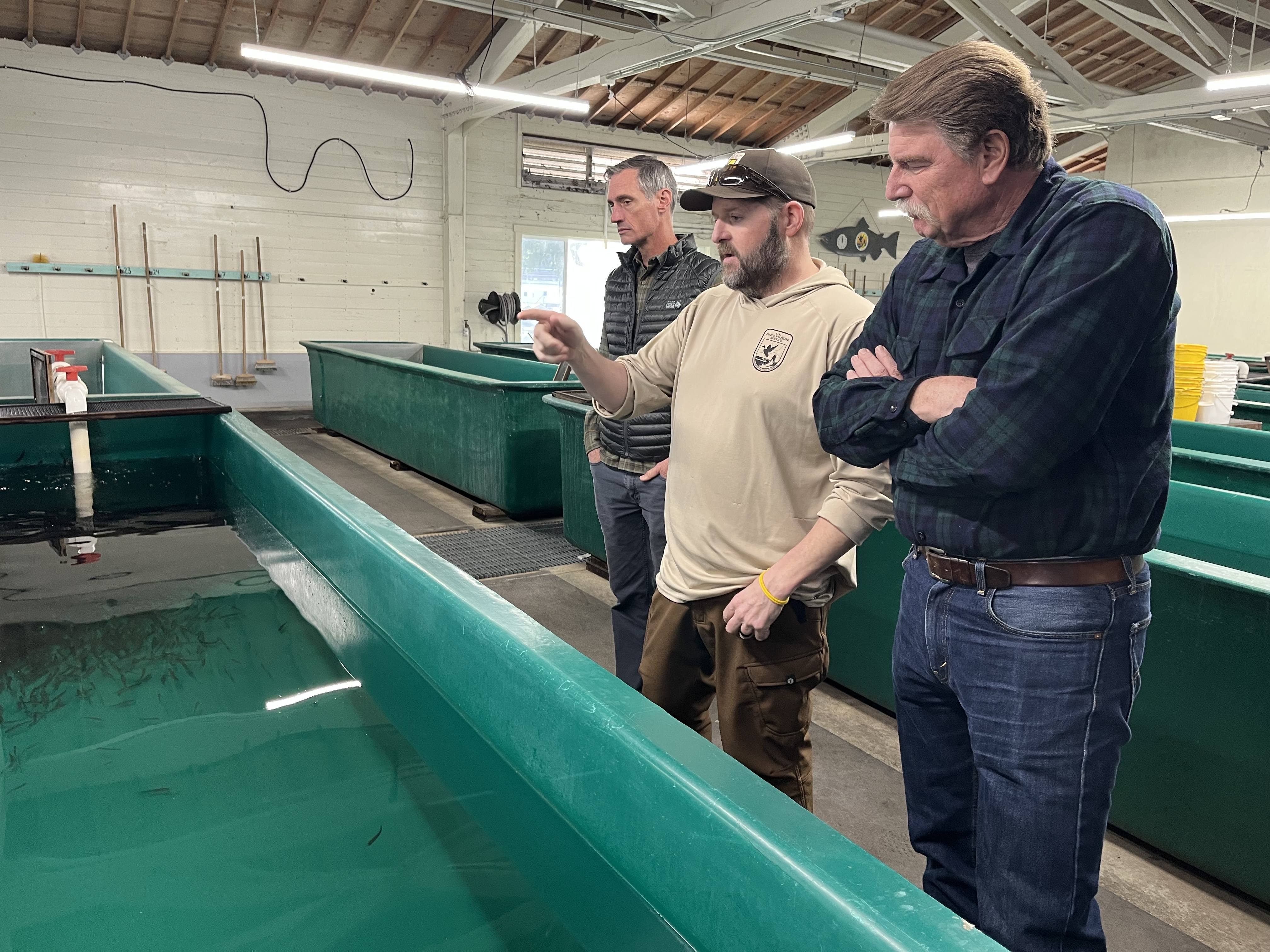
Coleman Hatchery had been scheduled to receive tens of millions of dollars in federal funding for needed repairs and upgrades, but the current federal administration cut back funding. This comes at a time when Coleman is producing more salmon fry than it has in decades. Building on a program started in 2019 when GSSA’s Dick Pool and John McManus convinced the USFWS to experiment with fry releases, Coleman expects to produce and release millions of fry this year in addition to the larger, older smolt salmon it releases annually. The hatchery was fortunate to see a strong return this year (by modern standards) of salmon to Battle Creek, which enabled adequate egg take to produce millions of additional fry. This surplus could easily be lost in any future drought.
Spreading Risk Through Smarter Release Strategies
A range of release strategies for these fry is planned to spread risk and determine which releases work best. In addition to releases into the Sacramento River and Delta, several million fry are being directed to experimental releases on rice fields in the Yolo Bypass near Davis.
The Upper Sacramento’s Lost Salmon Legacy
Today, the upper Sacramento River historically accounts for about 40 percent of the salmon in the Central Valley. That level of contribution has declined significantly since the last major drought from 2020 to 2022. A combination of lethal hot water on incubating salmon eggs and inadequate spring outflow to safely transport juvenile salmon to the Delta and ocean has eliminated most of the naturally occurring salmon in the upper Sacramento. Problems with a deficiency of vitamin B1 in recent salmon runs have also hurt production. Salmon advocates look to Coleman hatchery to produce the fish that will eventually recolonize the upper Sacramento River, but this is far from assured. Another drought will confront salmon with the same conditions that prevailed during the last lethal drought.
Racing the Clock Before Spring Diversions Lower the River
Although salmon fry from Coleman that are released in the late winter have the potential to migrate downriver before conditions deteriorate when irrigation diversions begin, it’s not a sure thing that they will.
Encouraging Signs From Winter-Run Returns
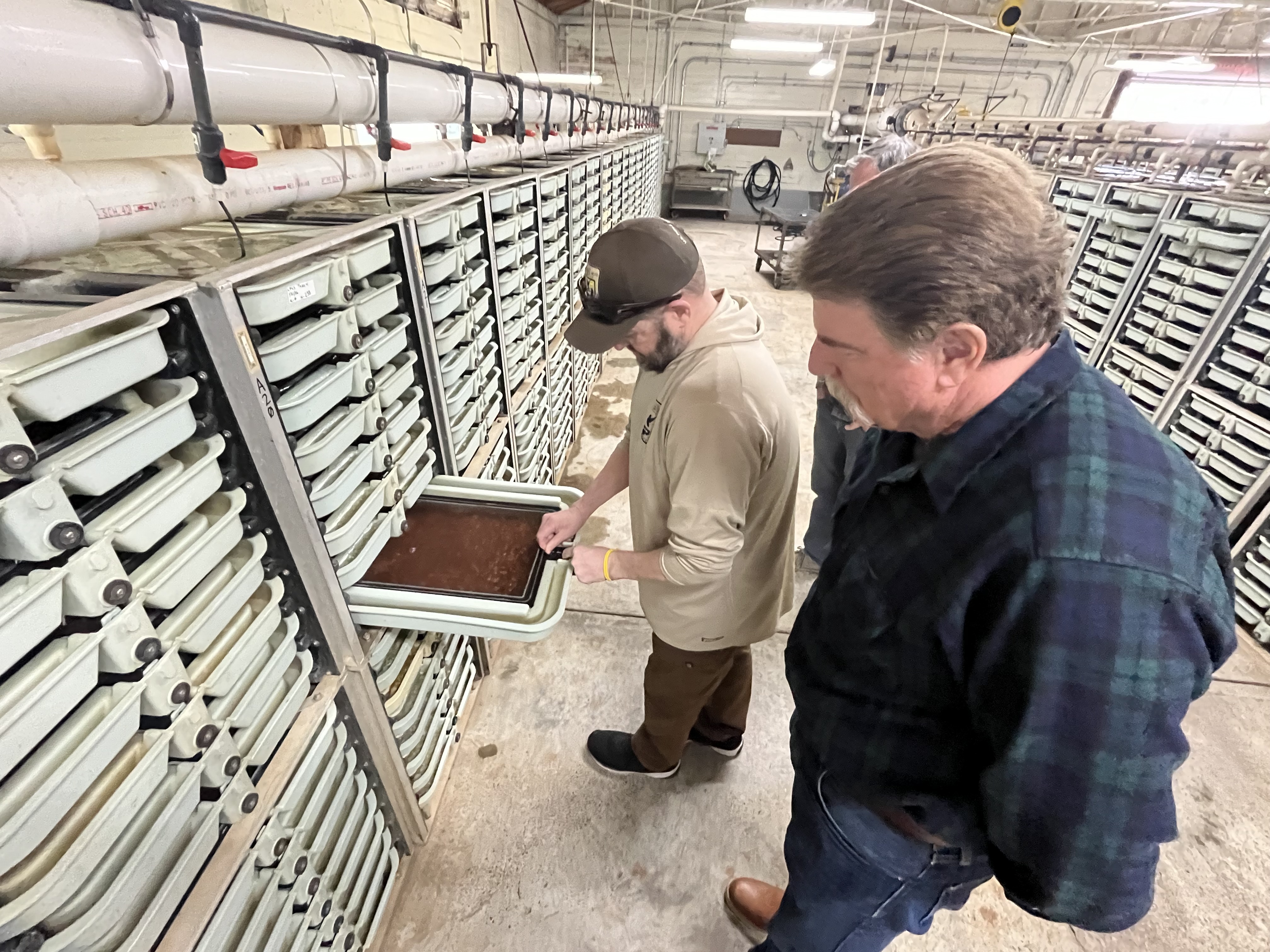
The hatchery crew was also excited to tell Staplin about a good return of winter run salmon last spring and summer. Winter run are bred at both Coleman and Livingston Stone hatcheries, in addition to those produced by naturally spawning in the Sacramento River and the north fork of Battle Creek. The hatcheries sought wild adult winter-run fish to spawn and obtained all they needed this year.
Coleman Hatchery is doing everything it can with what it has—but the challenges facing California’s salmon are bigger than any single facility. Protecting coldwater habitats, restoring habitat, and funding science-based solutions require sustained public pressure and support.
If you care about the future of California’s salmon, now is the time to get involved. Join the Golden State Salmon Association, support our work, and help ensure the policies, funding, and infrastructure salmon need are in place—before the next drought hits.