Most people don’t realize it, but the fate of California’s salmon tells you almost everything you need to know about the health of our state. When salmon runs are threatened, it’s easy to assume that only anglers or commercial boats feel the consequences. But the truth is much bigger, much more personal, and much more urgent.
Whether you’ve never picked up a rod, never eaten a piece of wild salmon, or never set foot on a riverbank or charter boat, the salmon crisis affects your water, your food, your climate resilience, your public health, and your local economy. These fish are indicators of the systems we all rely on. When salmon thrive, California thrives. When they disappear, it’s a warning sign that the foundation beneath all of us is cracking.
This is the story of why salmon matter to you, even if you don’t fish.
Salmon Are the Canary in California’s Watershed
Salmon need one thing above all: cold, clean, freely flowing water. When those conditions disappear, when rivers run too hot, flows are held back, or water is diverted, salmon die. It’s that simple.
And when salmon die, it means our rivers are no longer healthy enough to support even the species that evolved to survive in them for millions of years. Salmon are the ultimate “indicator species.” If they’re struggling, so is everything else that depends on the same water we drink, swim in, grow food with, and rely on for our communities.
Declining Salmon = Declining Water Quality
Hot, stagnant rivers create perfect conditions for toxic algae blooms, the same ones that shut down beaches, poison dogs, and force drinking water agencies to increase treatment. These toxins move through the same watersheds we depend on.
When flows are manipulated for industrial agriculture or weakened by outdated water policy, we don’t just lose fish, we lose clean, affordable water. Treatment costs go up. Groundwater becomes stressed. Wetlands vanish. These costs get passed directly to ratepayers.
When salmon disappear, it’s not just a wildlife issue. It’s a water-security issue for every Californian.
Salmon Runs Are Natural Climate Infrastructure
California faces a new era of extremes, including more prolonged droughts, more intense fires, and more destructive floods. Healthy salmon runs help buffer us from it all. How? By building robust, interconnected natural systems that store carbon, cool rivers, and stabilize landscapes.
Salmon Feed the Land That Protects Us
When adult salmon return to spawn, they bring marine-derived nutrients like nitrogen, phosphorus, and carbon from the ocean into our rivers and floodplains. Those nutrients feed everything from insects to trees, fueling some of the planet’s most carbon-absorbing ecosystems.
A single salmon carcass fertilizes an entire patch of riverbank. A healthy run fertilizes the watershed as a whole.
Healthy Salmon = Cooler Rivers + Fewer Catastrophic Extremes
Restoring salmon means restoring:
- Floodplains that soak up heavy winter rains
- Wetlands that store carbon and blunt fire severity
- Functional flows that keep rivers alive during drought
When we let rivers breathe, by allowing natural flows and restoring habitat, salmon return, and the whole system becomes more resilient.
When Salmon Decline, Climate Impacts Get Worse
Without salmon:
- Watersheds lose their natural nutrient cycle
- Biodiversity drops
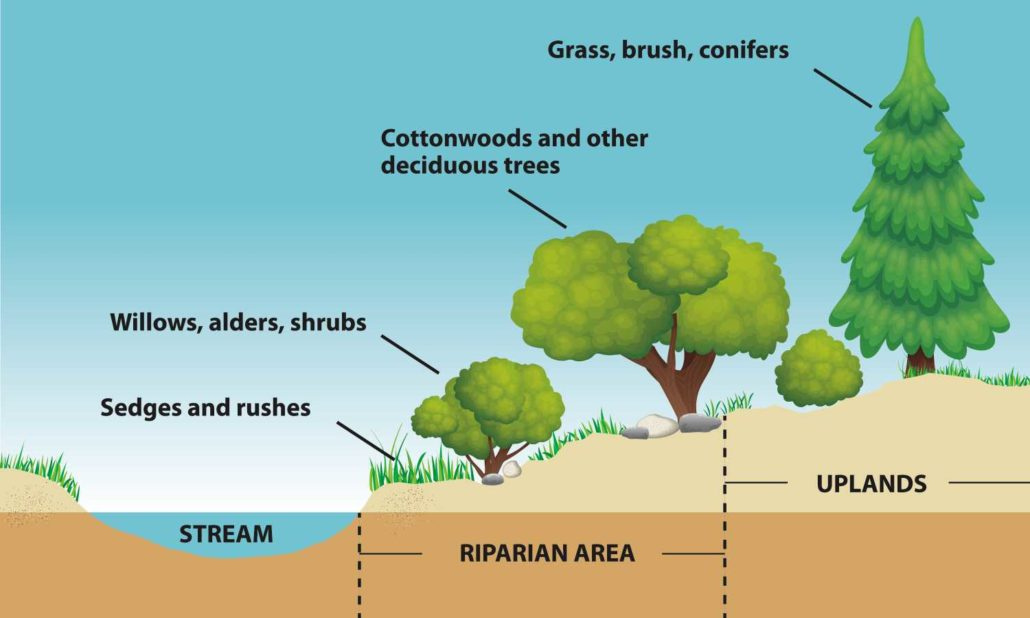
- Riparian zones (the area where land and a river or stream meet) weaken
- Flood risks increase
- Fire recovery slows
Healthy salmon runs are part of the climate solution, not a casualty of the crisis.
Food Systems & Local Economies Depend on Salmon
Even if you never fish yourself, there’s a good chance you’ve eaten salmon at a restaurant, bought it at a market, or traveled through a coastal town that depends on the fishing economy.
A Food Web That Benefits Everyone
Wild salmon support:
- Restaurants
- Fish markets
- Seafood processors
- Tribal and subsistence communities
- Coastal and riverside towns
- West Coast food culture
When salmon vanish, entire parts of our food system have to shift, often toward imported and farmed fish raised with lower environmental and labor standards.
Economies Rise and Fall with Salmon Runs
In a healthy year, California’s salmon industry generates anywhere from hundreds of millions to more than a billion dollars in economic activity, supporting thousands of small businesses and seasonal jobs.
When the salmon seasons shut down, as they did for commercial fishermen and women in 2023, 2024, and 2025, and recreational anglers in 2023 and 2024, it’s not just boats tied up at the dock. It’s:
- Commercial vessels sitting idle
- Charter captains without clients
- Tackle shops without customers
- Restaurants without local seafood
- Coastal tourism is drying up
- Lost wages for food workers, fish processors, and Tribal communities
- Entire working waterfronts are going silent
The ripple effect is enormous. And it lands hardest on families trying to make a living along California’s coast and rivers, people who have depended on salmon for generations.
Cultural & Tribal Rights Are at Stake
For California’s Tribal Nations, salmon are more than a natural resource; they’re a cultural keystone species vital to identity, ceremony, food security, and generational knowledge.
10,000 Years of Salmon Culture
Long before dams, diversions, and industrial agriculture, Indigenous peoples shaped their lives around salmon. They developed sustainable fishing practices that kept runs abundant for millennia.
When salmon vanish, it’s not just an ecological loss; it’s a loss of culture, health, sovereignty, and rights.
A Crisis of Justice
The decline of salmon affects:
- Access to traditional foods
- Treaty rights and promised harvests
- Cultural ceremonies
- Community health
- Economic independence
Simply put, the salmon crisis is a justice crisis.
Public Health Declines When Rivers Break Down
The problems that kill salmon often spill over into our communities in ways we don’t always see.
Toxic Algae Is a Direct Consequence of Broken Rivers
When water sits stagnant and hot, conditions made worse by excessive diversions and climate stress, harmful algal blooms flourish. These blooms can:
- Contaminate drinking water
- Close swimming areas
- Make fish unsafe to eat
- Kill pets
- Harm children and vulnerable populations
These blooms are becoming more common across California, and salmon declines are one of the clearest signals of that growing threat.
Hot, Dry Watersheds Make Fires Worse
Healthy rivers and floodplains keep landscapes hydrated and resilient. When they collapse, forests dry out faster, fire seasons lengthen, and the impacts of smoke worsen.
Nature Is a Public Health Resource
We know that the loss of outdoor spaces and recreation affects mental health. When rivers die, communities lose vital access to nature, an essential, proven benefit for public wellbeing.
A Bigger Picture: Everything Is Connected
The salmon crisis isn’t a niche issue. It’s not about nostalgia, or fishing tradition, or a single species. It’s about the health of California’s rivers, and everything those rivers support:
- Clean water
- Reliable food systems
- Climate defenses
- Thriving local economies
- Cultural survival
- Public health
- Wildlife biodiversity
When salmon disappear, it means the basic systems that sustain life in California are in trouble.
And when salmon return, as we see in places where habitat is restored, flows improve, and science-based management wins, it proves something equally important: we know how to fix this.
What You Can Do Right Now
Every Californian can play a role in bringing salmon back:
- Join or donate to Golden State Salmon Association to support advocacy, science, and restoration.
- Support habitat restoration projects in your community.
- Speak up for functional flows and science-based water policy.
- Share stories that show the power of restoration, because when we take care of rivers, salmon come back.
- Stay informed and vote for water policies that protect communities, not corporate interests.
GSSA works every day to restore California’s salmon for their economic, recreational, commercial, environmental, cultural, and health values. But we can’t do it alone.
A Salmon Crisis Is a California Crisis
Suppose you care about clean water, healthy food, Tribal rights, climate resilience, thriving local economies, or the future of California’s rivers. In that case, you already care about salmon, whether you knew it or not.
Salmon are more than a fish. They are a mirror reflecting the health of our state.
When salmon thrive, our rivers run cleaner, our communities are stronger, and our ecosystems are resilient. When they disappear, it’s a sign that everything downstream, including us, is at risk.
Protecting salmon means protecting California. And the sooner we act, the sooner we’ll see our rivers come alive again.