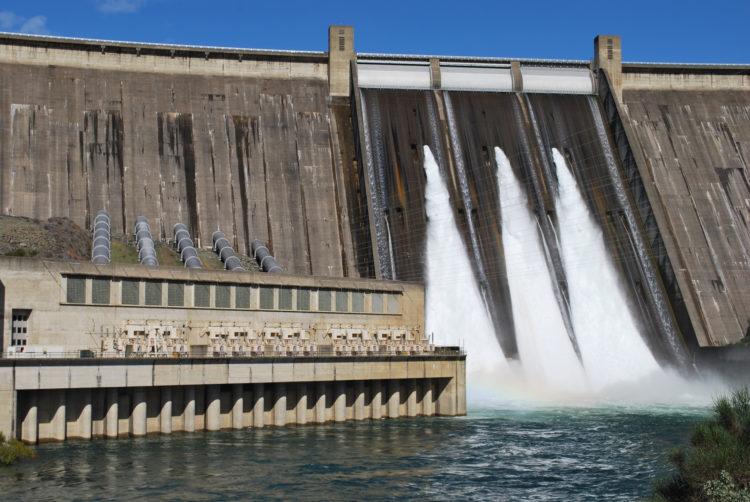
Proposals to raise Shasta Dam are back, despite decades of scientific review, legal challenges, and public opposition. The latest version of the idea calls for increasing storage in Lake Shasta by raising the dam more than 18 feet — a move that would come at an enormous cost to salmon, Tribal heritage, and downstream river health.
Flood Control Releases: A Lifeline for Salmon
From a salmon’s perspective, one of the few remaining benefits of Shasta Dam comes during major storm events. When heavy rains force dam operators to release water to prevent overtopping, the Sacramento River briefly regains something it has largely lost: powerful, river-shaping flows.
These flood control releases:
- Flush algae buildup from the upper river
- Sweep sediment out of the side channels used by juvenile salmon
- Redistribute spawning gravels downstream
- Create fast, turbid flows that help young salmon migrate safely to the ocean
If the dam is raised, those releases would largely disappear. More water would be held back rather than released, eliminating rare but critical ecological events that salmon depend on to survive.
Irreplaceable Tribal Lands at Risk
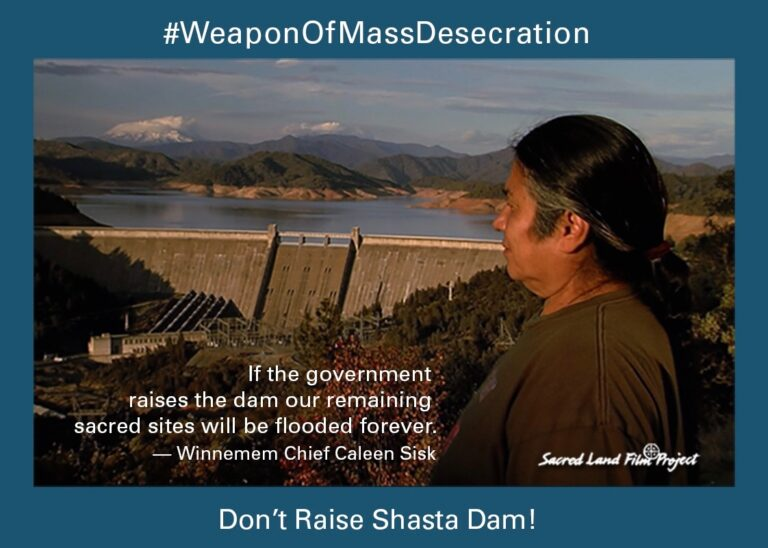
Raising Shasta Dam would flood additional ancestral lands of the Winnemem Wintu Tribe, permanently submerging sacred sites and cultural landscapes tied directly to the lower McCloud River. For the Winnemem Wintu, this stretch of river is not just habitat — it is history, ceremony, and identity. Once flooded, these places and their meaning are lost forever.
A Protected River Would Be Submerged
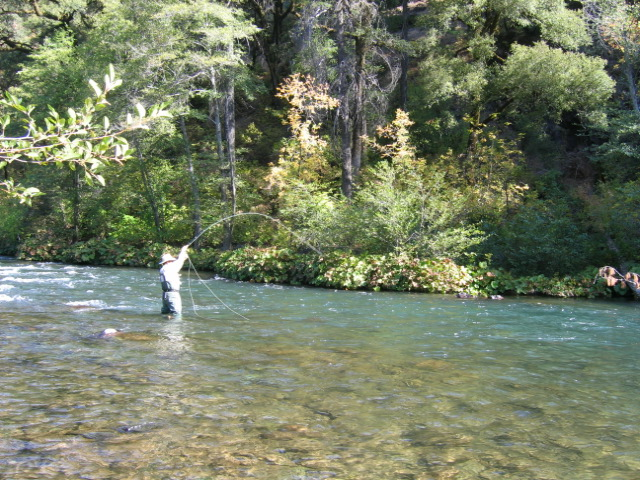
The same lower reach of the McCloud River is also protected under California’s Wild and Scenic Rivers Act. Raising the dam would permanently inundate this legally safeguarded river corridor, eliminating cold-water habitat and setting a precedent that even the state’s strongest river protections can be overridden when water storage pressures rise.
Serious Safety Questions Remain
Beyond environmental and cultural damage, unresolved concerns remain about the seismic stability of the rock foundation beneath Shasta Dam. Adding millions of tons of additional concrete and water raises legitimate questions about structural integrity and the potential risk to downstream communities.
An Old Idea That Refuses to Die
Despite these impacts — and despite the project being vetted and rejected multiple times — the dam raise continues to resurface. Interests seeking more water for future development, like big ag, keep pushing the idea, particularly when political conditions appear hostile to salmon protections.
Golden State Salmon Association, alongside Tribal nations and conservation partners, successfully stopped this proposal in court before. If necessary, we are prepared to do so again.
Some ideas don’t age well. Raising Shasta Dam is one of them.
Raising Shasta Dam would erase rare river flows that still give salmon a fighting chance, flood protected rivers, and permanently destroy Tribal lands. This proposal has been stopped before — and it can be stopped again.
Stand with Golden State Salmon Association. Become a member or supporter and help us defend science, salmon, and river communities.