How water management decisions on the Mokelumne and Sacramento Rivers shape salmon survival
In late February, fishery managers released a number that many Californians have been waiting to hear: 392,349 adult Chinook salmon forecasted in the ocean for 2026.
After multiple years of low salmon numbers, season closures, and uncertainty, that number represents cautious hope. Even more encouraging? The 2025 jack return was the highest since 2011 — a powerful early indicator that stronger year classes may be moving through the system.
For a deeper look at the data behind California’s salmon trends — including long-term abundance shifts and policy impacts — see GSSA’s latest State of Salmon report.
But here’s the truth behind the rebound: Those fish were juveniles during the very wet year of 2023 and the above-average wet year of 2024.
Heavy spring runoff in 2023 and 2024 moved through the Central Valley, raising river levels, reconnecting floodplains, and sending cold, turbid, oxygen-rich water downstream. For juvenile salmon migrating toward the ocean, those conditions made all the difference. Survival improved. Stronger year classes began to take shape.
That rebound wasn’t the result of chance or rhetoric. It was the predictable outcome of hydrology aligning with biology. When rivers carry enough cold water at the right time, salmon respond.
For salmon, water is not simply habitat. It is the difference between collapse and recovery.
What “Flow” Really Means
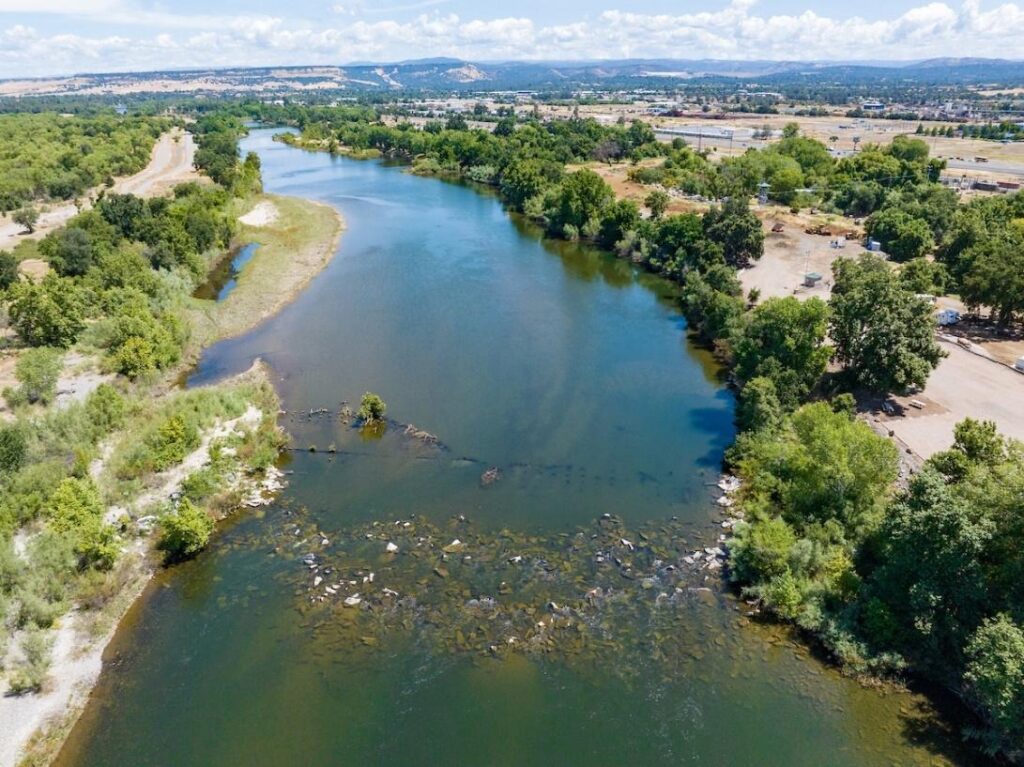
When we talk about river “flows,” we’re talking about three things: how much water is moving, when it moves, and how cold it is. We’re also talking about turbidity, or “mudiness,” which helps hide juvenile salmon from predators that rely on eyesight.
Each one matters. Miss any of them, and survival drops.
1. Volume: How Much Water Moves Downstream
More water moving through a river system does several critical things:
- Speeds juvenile salmon toward the ocean
- Dilutes pollutants and agricultural runoff
- Reduces predator concentration
- Maintains dissolved oxygen levels
- Limits harmful algal bloom conditions
- Moves fish more safely through the Delta
- Maintains estuarine salinity balance
- Generally increases turbidity, which helps hide juvenile salmon from predators
During wet years like 2023 and 2024, higher runoff created more natural river conditions — conditions that salmon evolved to depend on. The result? Improved juvenile survival and stronger returns.
During drought years, by contrast, river and Delta outflows fall to levels biologists warn are insufficient to protect migrating smolts (or juvenile salmon). Reduced flows mean slower travel times, greater exposure to predators, and a higher risk of getting sucked into export pumps. When those waters warm, baby salmon lose energy, and some get sick, making them easy prey.
The difference between a strong year class and a weak one often comes down to how much water is moving at the right time.
2. Timing: When Water Moves
Juvenile fall-run Chinook typically migrate downstream between March and May. That window is critical.
If strong flows occur during that period, juveniles move quickly through dangerous stretches of river and the Delta. Faster travel means:
- Less exposure to non-native predators
- Reduced stress
- Better ocean entry timing
If flows are weak during that window, migration slows. Juvenile salmon linger in warm, predator-heavy waters, and survival drops.
On rivers where water managers coordinate releases to align with migration timing — often called pulse flows — survival improves.
In these cases, timing isn’t incidental; it’s everything.
3. Temperature: Cold Water is Critical
Salmon are cold-water fish. Their eggs require temperatures generally below about 54°F for optimal incubation. When water temperatures rise above safe thresholds, mortality increases rapidly.
This is where reservoir management becomes decisive.
The Sacramento River system relies heavily on cold water stored in reservoirs like Shasta. That cold-water “pool” must be carefully managed to protect spawning salmon.
In past drought years, insufficient cold-water management has led to hot water in upper Sacramento spawning reaches — resulting in significant egg mortality and weakened year classes.
When cold water is preserved and released strategically, spawning success improves. When it isn’t, entire generations of salmon can be compromised.
The Mokelumne River: A Managed System with a Different Strategy
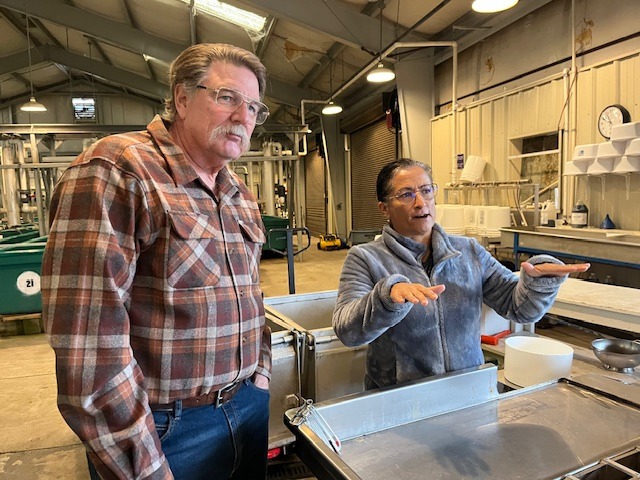
The Mokelumne River offers an instructive example of how heavily managed systems attempt to support salmon runs.
This watershed supports a significant fall-run population, bolstered primarily by hatchery production at the Mokelumne River Fish Hatchery, operated by the East Bay Municipal Utility District.
Unlike rivers where juvenile salmon migrate naturally to the ocean, most Mokelumne hatchery fish are transported by truck around the Sacramento–San Joaquin Delta to safe release sites either in the west Delta or on or near the coast. This trucking program helps juvenile salmon avoid the high mortality risks associated with navigating the Delta’s complex network of channels, export pumps, and predators.
As a result, the Mokelumne rarely sees strong survival from naturally spawned fish migrating entirely through the river system.
While trucking can help maintain hatchery production, it also highlights a broader reality: without adequate river flows and safer migration conditions through the Delta, natural salmon survival remains extremely difficult.
The Sacramento River: California’s Salmon Engine
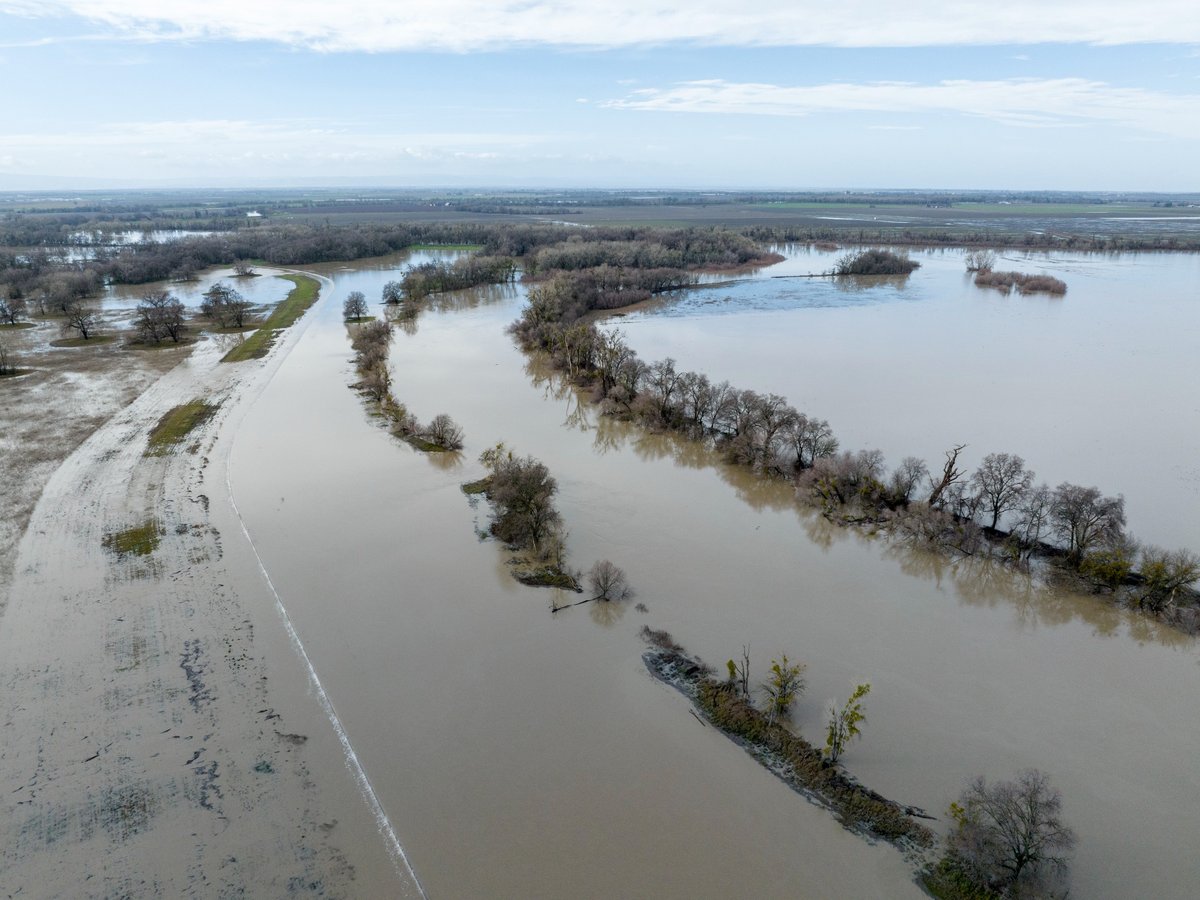
If the Mokelumne shows what’s possible on a smaller scale, the Sacramento River reveals what’s at stake statewide.
The Sacramento River system produces the majority of California’s fall-run Chinook salmon. These fish fuel:
- Commercial ocean fisheries
- Recreational charter fleets
- Coastal tourism
- Tackle manufacturers and retailers
- Restaurants, hotels, and processing facilities
- Inland sport fishing businesses
In stronger years, California’s salmon industry has generated approximately $1.4 billion in annual economic activity.
When Sacramento River flows support strong juvenile survival, those benefits ripple outward.
When flows decline, the consequences can be seen in two years or so, when fewer adults return.
From 2020 to 2022, extended drought conditions reduced runoff and elevated water temperatures. Water managers diverted available supplies to agriculture at the expense of the fishery. Juvenile survival dropped. Returns plummeted. Ocean fisheries were restricted or closed entirely.
Charter boats are tied up. Crews were laid off. Coastal businesses struggled.
This is why we work for salmon — because healthy rivers mean healthy communities.
Upstream water decisions forced hard economic decisions downstream.

The Delta Bottleneck
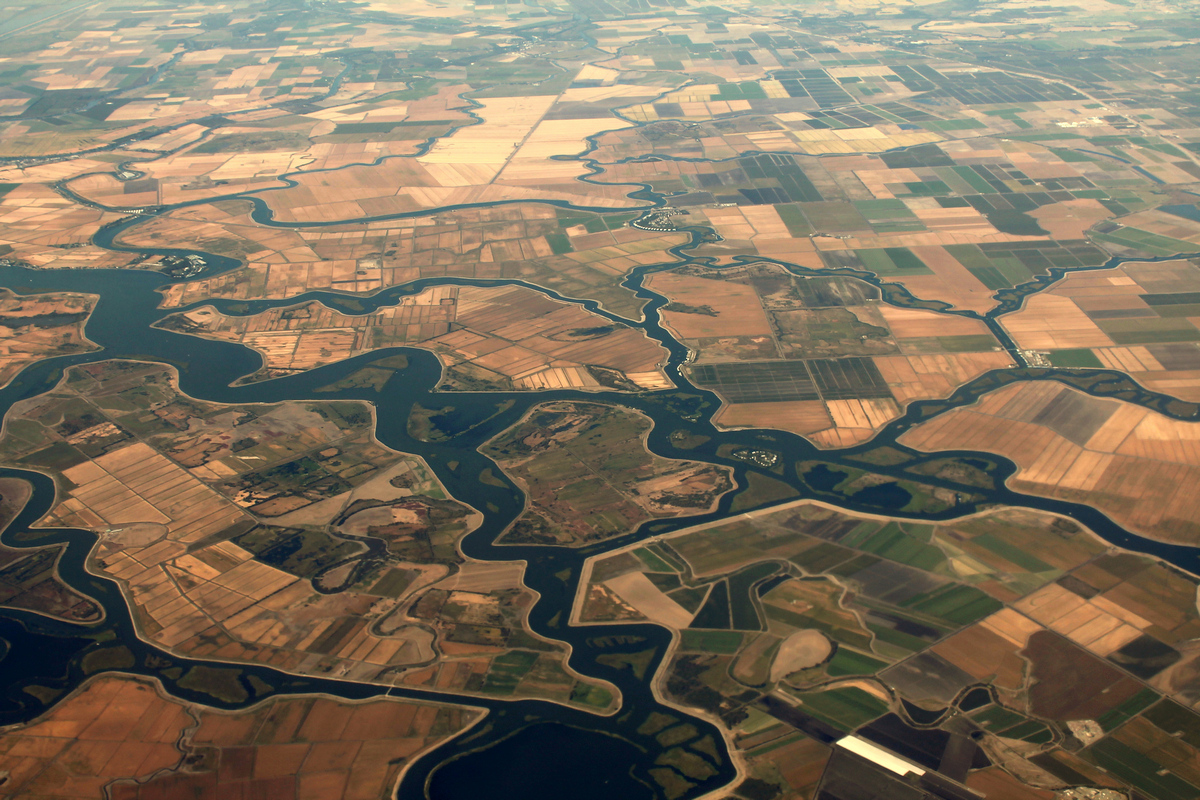
Before juvenile salmon reach the ocean, they must pass through the Sacramento–San Joaquin Delta — one of the most heavily engineered estuaries in the world.
Water exports from the Delta serve 27 million Californians through the State Water Project and hundreds of thousands of acres of farmland through the federal Central Valley Project.
At the same time, the Delta is a migratory corridor for salmon.
In dry years, reduced river outflows combined with excessive water diversions increase risks to migrating fish. Slower-moving, warmer, clearer water creates conditions that are less favorable for salmon survival.
Recent events underscore how fragile salmon survival can be when water systems are pushed to their limits: in February 2026, a major penstock pipe failure at the New Colgate Powerhouse on the Yuba River caused river flows to drop sharply for hours, leaving hundreds — and possibly thousands — of juvenile Chinook salmon dead in shallow margins as water receded. Such infrastructure failures, growing export demands, and climate-driven variability in precipitation and runoff increasingly intersect to create conditions that imperil salmon at vulnerable life stages.
But the biology remains simple:
Juvenile salmon need strong, consistent outflows to move safely through the Central Valley and the Delta.
Why the Bay-Delta Plan is Important
While state and federal reservoir operators, fish and wildlife agencies, and water districts all play roles in how water moves through California’s rivers, there is only one agency with both the authority and responsibility to set enforceable flow standards to protect salmon: the State Water Resources Control Board.
Through its Bay-Delta Water Quality Control Plan, the California State Water Resources Control Board is responsible for establishing flow standards intended to protect fish and wildlife, including fall-run Chinook salmon, throughout the Sacramento–San Joaquin Delta watershed.
In theory, these standards determine how much water must remain in the rivers rather than being diverted elsewhere.
In practice, however, those protections have often fallen short. Many of the flow standards were written decades ago, and over time, water agencies and regulators have repeatedly relied on temporary measures, negotiated agreements, and regulatory flexibility to allow exports and diversions to continue even as ecological conditions deteriorate.
The result is a widening gap between what the science says salmon need and how rivers are actually managed.
Updating and enforcing the Bay-Delta Plan to reflect modern science remains one of the most important steps California can take to rebuild salmon populations.
Learn more about GSSA’s work on water policy and flow protections here.
Science and the facts are clear that flow volume, timing, and temperature directly affect juvenile survival, spawning success, and long-term population stability. Yet for years, updates to the Bay-Delta Plan have lagged behind the best available science, even as salmon populations declined and fishing seasons closed.
If California is serious about rebuilding salmon runs, the Bay-Delta Plan must reflect modern, fact-driven flow requirements — especially during critical migration and spawning windows. Voluntary agreements and short-term fixes cannot replace enforceable, biologically sound standards.
The State Water Board is uniquely positioned to set those standards. And with that authority comes responsibility.
When flows are aligned with salmon biology, we see measurable improvement — as the 2026 rebound demonstrates. Incorporating science-based flow requirements into the Bay-Delta Plan is not a radical step. It is a necessary one.
The 2026 Rebound: A Real-World Example
The improved 392,349 adult abundance forecast for 2026 didn’t happen in isolation.
Those fish entered freshwater as juveniles in 2023 and the slightly above-normal wet year of 2024. Decent spring runoff:
- Increased river velocities
- Activated floodplains
- Improved habitat complexity
- Enhanced outmigration conditions
The result? The strongest jack return signal since 2011.
Stronger survival upstream translated into more fish offshore.
This is what happens when rivers behave more like rivers.
Better Flows Also Mean More Jobs
It’s easy to frame river flows as an environmental issue. But they are also an economic one.
When salmon seasons are open and healthy:
- Charter captains book trips months in advance.
- Coastal restaurants feature fresh California salmon.
- Bait shops, tackle stores, and boatyards thrive.
- Communities from Fort Bragg to Monterey benefit.
- Coastal hotels and restaurants fill up with excited anglers.
When seasons close, those same communities absorb the loss.
Water policy isn’t abstract. It determines whether businesses open their doors.
What GSSA Is Working For
Golden State Salmon Association advocates for science-based water management that reflects biological reality.
That includes:
- Protecting cold-water pools in reservoirs
- Ensuring adequate spring pulse flows during outmigration
- Supporting science-based minimum flow standards
- Holding agencies accountable for export decisions
- Investing in hatcheries and genetic monitoring tools like Parentage-Based Tagging (PBT)
We have seen that strategic water management works. The Mokelumne shows it. The 2026 forecast confirms it.
But those gains are fragile.
Increased pressure to divert water, climate-driven extremes, and infrastructure instability threaten to erode progress.
The Bottom Line
Salmon don’t need speeches. They need water — at the right time, in the right amount, at the right temperature.
The rebound we’re seeing in 2026 is proof of concept. When rivers receive adequate flows, salmon survival improves.
The science is clear. The data is measurable. The economic stakes are real.
Water decisions are salmon decisions. And salmon decisions are California decisions.
If we want thriving fisheries, resilient coastal economies, and healthy rivers for the next generation, we must treat flows not as optional — but as essential.
Because when rivers run, salmon return.