“We’re finally seeing the kind of conditions that give salmon a fighting chance—but none of this happened because of luck. It’s the result of years of advocacy, better science, and people refusing to give up on these fish.”
— Vance Staplin
After years of uncertainty—closed seasons, low returns, and real concern about the future of salmon fishing in California—we’re finally seeing something we haven’t felt in a while:
Momentum.
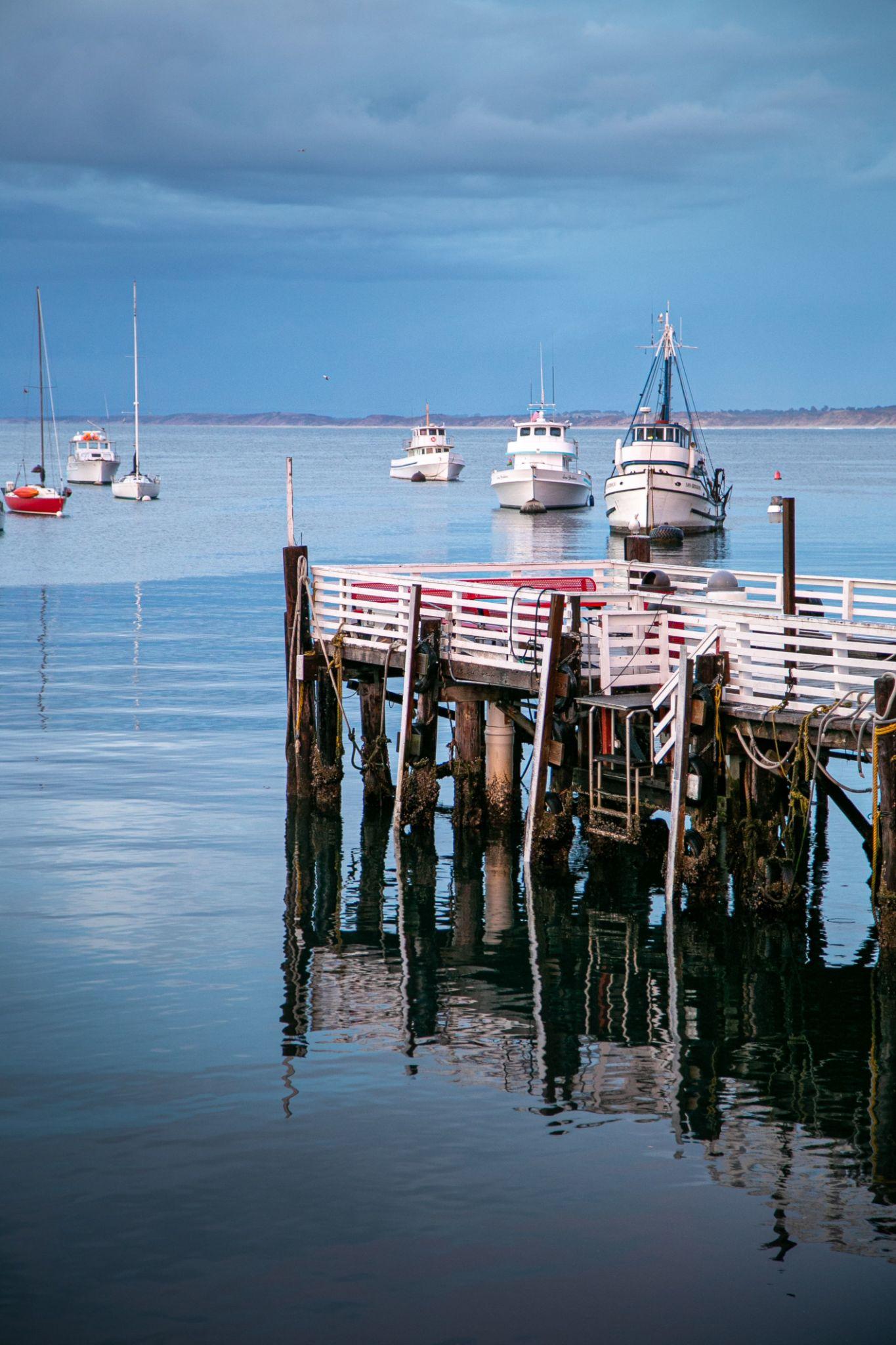
Boats are back on the water. Fishermen are planning trips again. And for the first time in a few seasons, there’s a sense that things might actually be turning in the right direction.
That’s worth celebrating.
But it’s also worth understanding why this is happening—and what it took to get here.
A Comeback Years in the Making
The improved outlook for salmon this year didn’t just show up overnight.
Stronger-than-expected returns—driven in part by favorable river conditions in recent years—have helped set the stage for a more optimistic season. Wet winters in 2023 and 2024 brought higher flows, cooler water, and better conditions for salmon eggs to hatch and for young salmon heading out to the ocean.
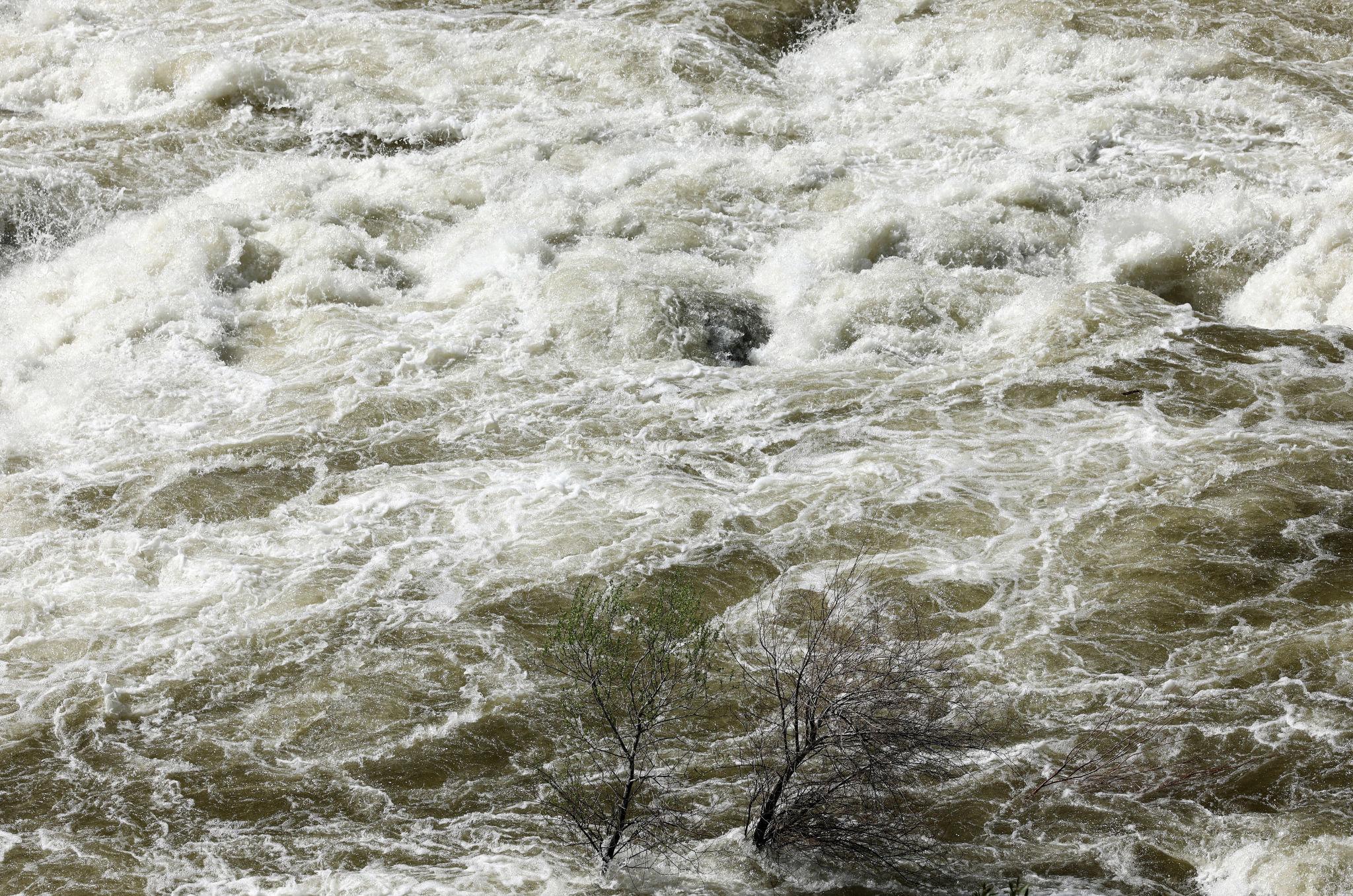
Those conditions are super important.
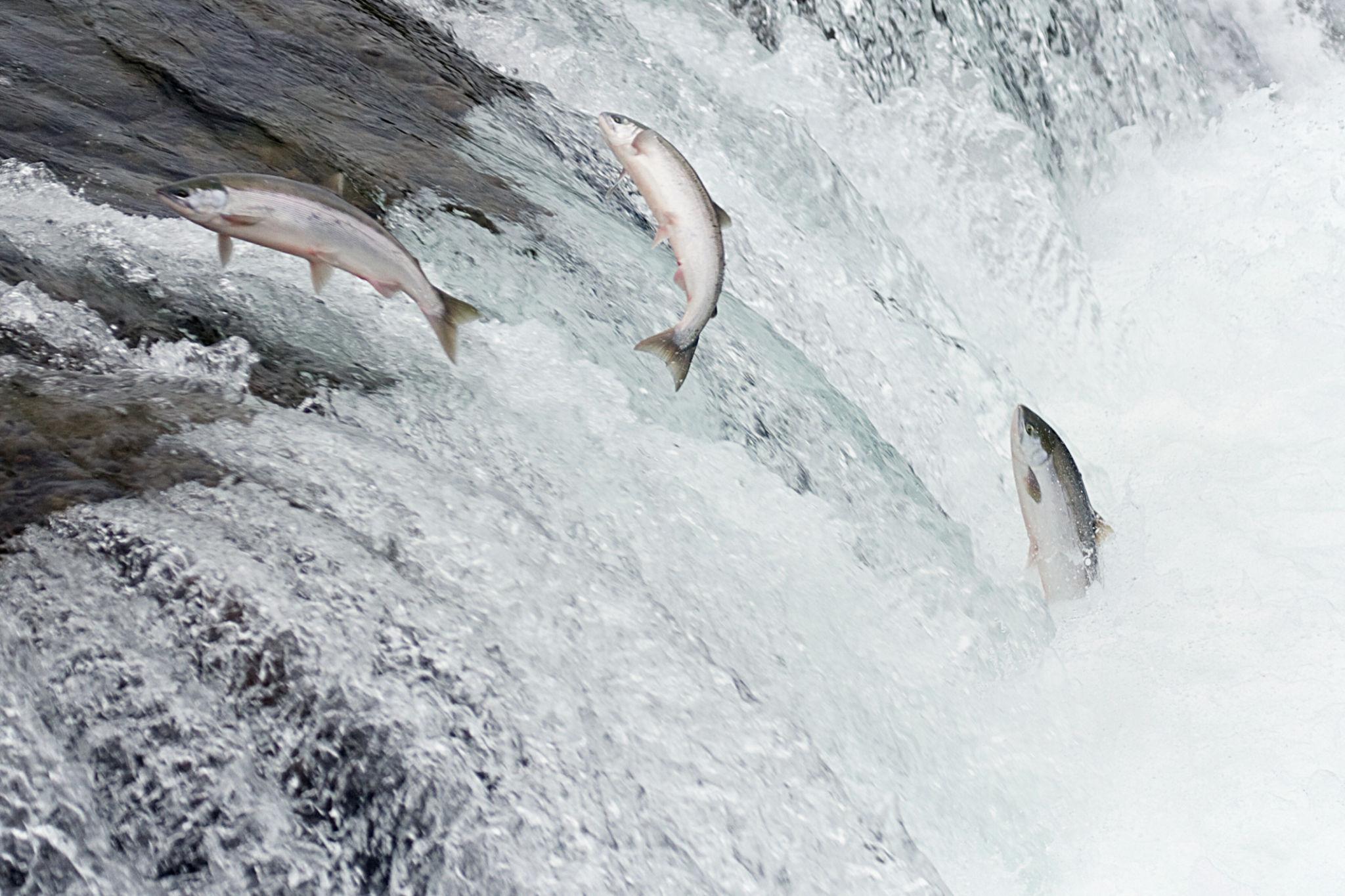
When you break it down, it’s all sort of simple. First, when incubating salmon eggs are in cold enough water, they’ll hatch. Then, when juvenile salmon have the water they need to move safely downstream, more of them survive. And when more fish survive, we start to see the kind of returns that support fishing seasons, coastal economies, and the broader ecosystem.
Turning Science into Action
Good conditions are key—but there is another part of the story.
One of the biggest shifts in recent years has been the use of science to actively improve the survival of hatchery salmon.
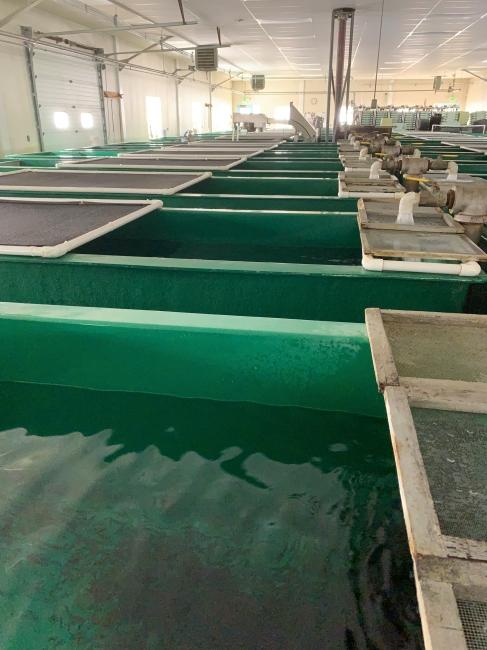
GSSA worked directly with the California legislature to secure $11.8 million in funding for Parentage-Based Tagging (PBT)—a game-changing tool that will eventually enable scientists to track salmon using genetic data rather than traditional wire tags.
People often ask why this is important.
Unlike traditional coded wire tags, PBT opens the door to earlier fry releases—sending young salmon into the system earlier in the year, when rivers are moving faster, water is more turbid, and predators are less of a threat.
Instead of waiting until baby salmon are large enough to be tagged the old way (which can mean holding them until May when agricultural water diversions are in full swing), we will eventually be able to release them during the winter or early spring, at a time when they’re more likely to survive.
It’s a smarter, more adaptive approach.
Fighting for the Water Salmon Need
At the end of the day, salmon need one thing above all else:
Water.
And getting enough of it—at the right time—has been one of the biggest challenges facing California salmon.
That’s where advocacy comes in.
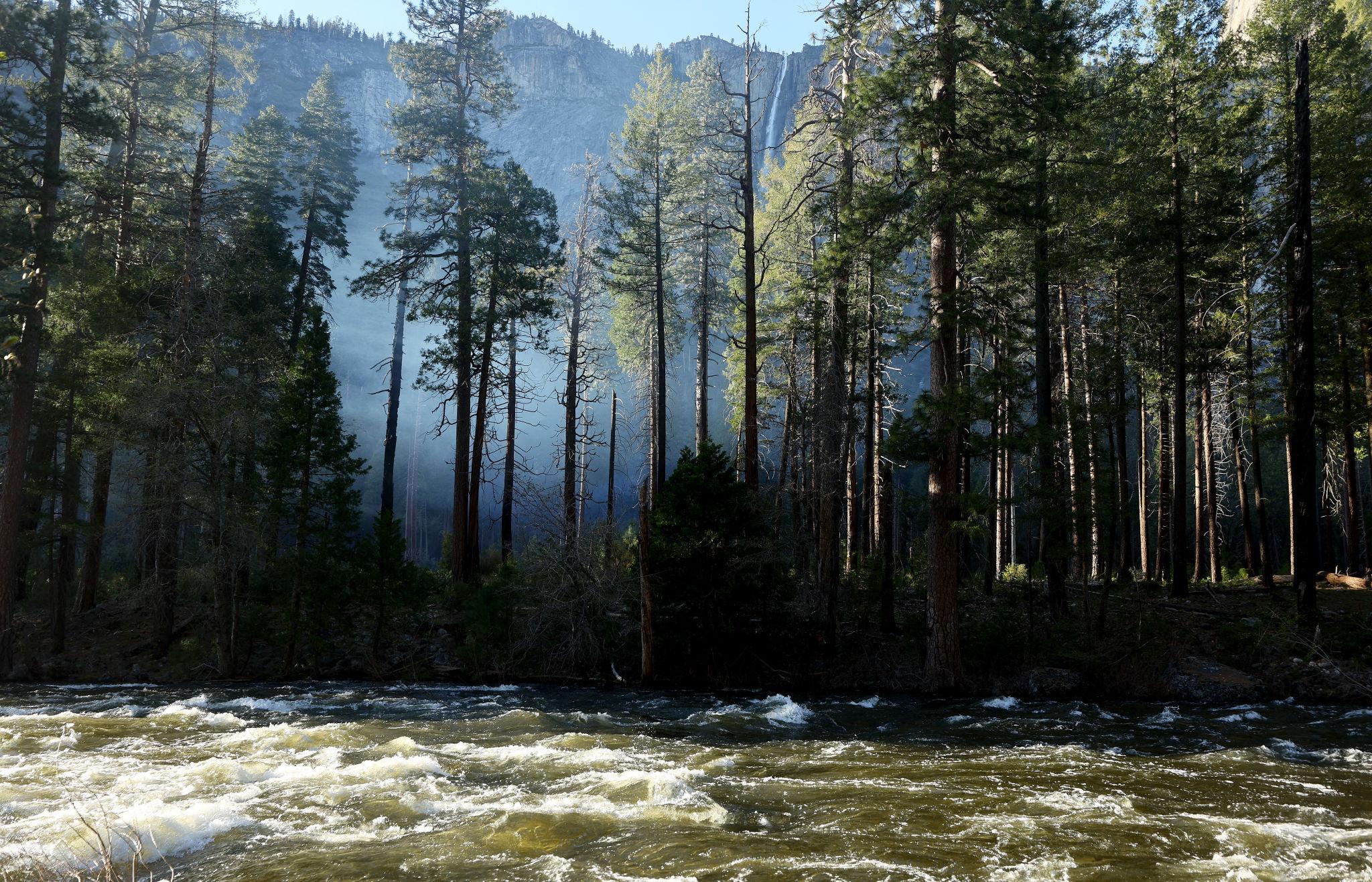
GSSA has been pushing for pulse flows—targeted releases of water that help juvenile salmon move downstream more quickly and safely. These flows can improve river conditions by increasing turbidity, lowering water temperatures, and reducing exposure to predators and disease.
They’re not always easy to secure. In some cases, they’ve been denied even when reservoirs are full.
But the science is clear: when flows improve, survival improves.
And every step toward better water management is a step toward rebuilding salmon populations.
Real Wins, Real Impact
These efforts aren’t abstract. They show up in real ways:
- More fish are making it to the ocean
- Better returns in the following years
- Reopening fishing opportunities for communities that depend on them
In a “normal” year, California’s salmon industry supports $1.4 billion in economic activity and more than 20,000 jobs—from charter boat captains and tackle shops to restaurants and coastal hotels.
When salmon struggle, those communities feel it immediately.
When salmon recover, so do they.
A Moment Worth Celebrating—And Protecting
It’s okay to feel good about where things are right now.
After everything the salmon—and the people who depend on them—have been through, this moment matters.
But it’s also fragile.
The same challenges that put salmon at risk in the first place haven’t gone away:
- Ongoing pressure to divert more water from rivers
- Infrastructure projects that threaten habitat
- Climate-driven extremes that make conditions less predictable
Progress isn’t permanent unless we protect it.
What Comes Next
This is the part where momentum matters most.
We have better tools. Better science. And proof that when conditions improve, salmon respond.
Now the goal is simple:
Do more of what works.
That means continuing to:
- Advocate for science-based water management
- Invest in innovative approaches like PBT
- Improve hatchery practices and support hatchery infrastructure upgrades
- Protect and restore critical habitat
And it means continuing to show up—together.
Be Part of What Comes Next
If you’ve been waiting for a sign that things are moving in the right direction, this is it.
But none of it continues without support.
Join the Golden State Salmon Association:
https://goldenstatesalmon.org/join/
Support the work directly:
https://goldenstatesalmon.org/donate/
These wins aren’t random. And they won’t continue without people who care enough to fight for them.