A Renewed Approach to an Old Problem
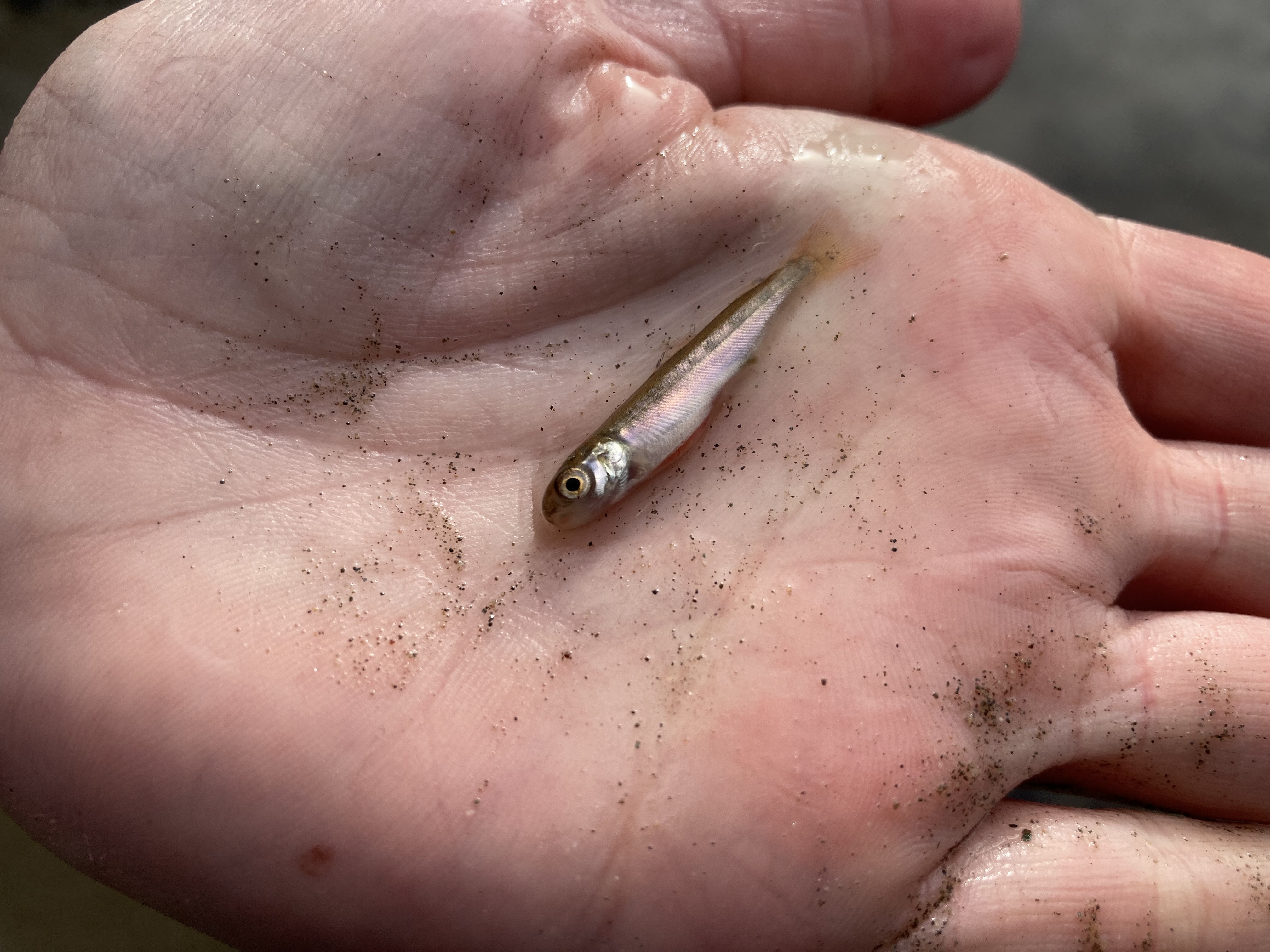
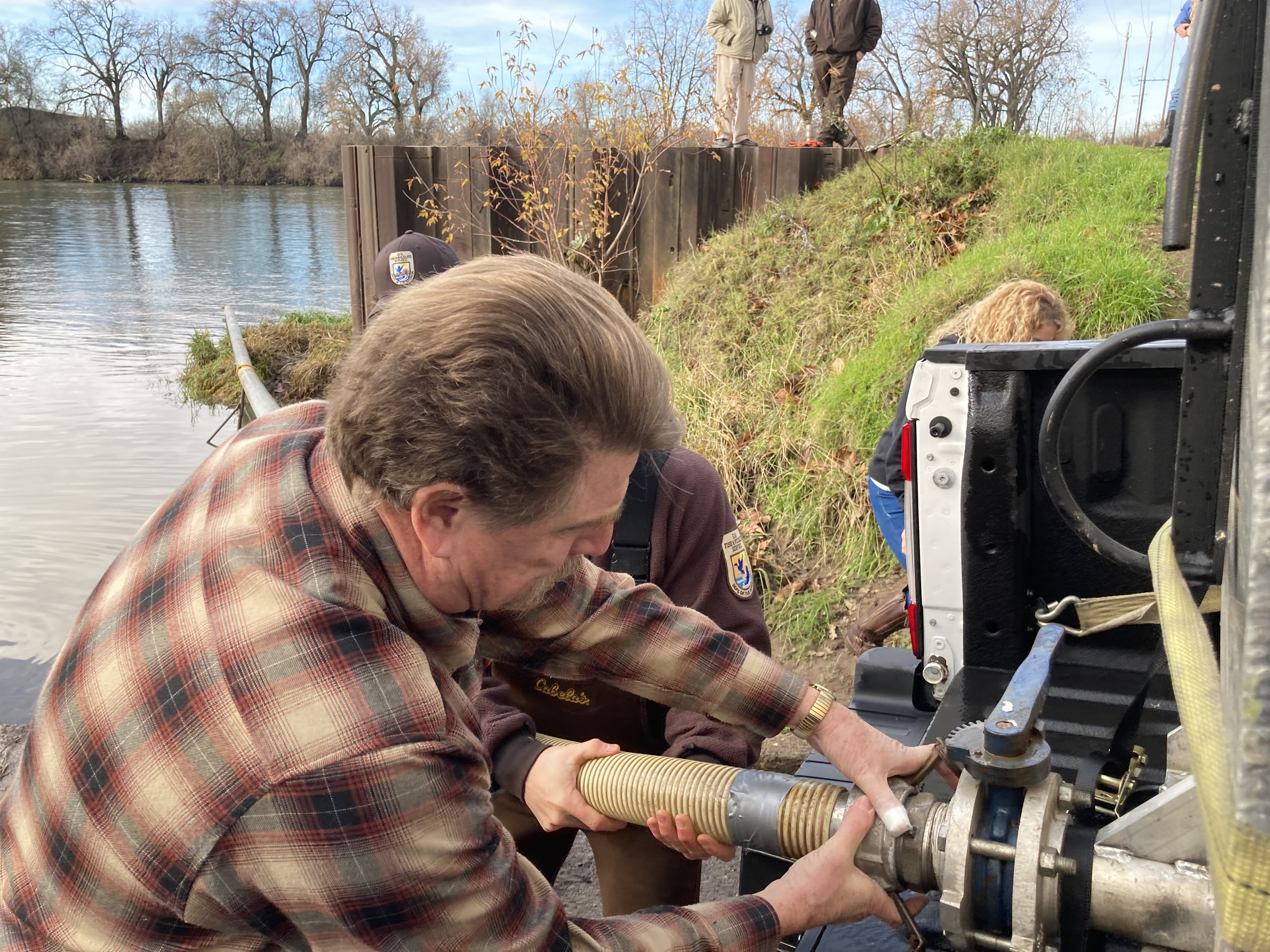
The US Fish and Wildlife Service has released findings from a project GSSA partnered with them on that released Coleman hatchery fry into the upper Sacramento River. The fry were from brood years 2021 and 2022. Almost two million unfed fry were released in early 2022. About 2.8 million were released a year later. Fry salmon are the tiny fish that develop shortly after hatching.
Testing When Timing Might Matter More Than Size
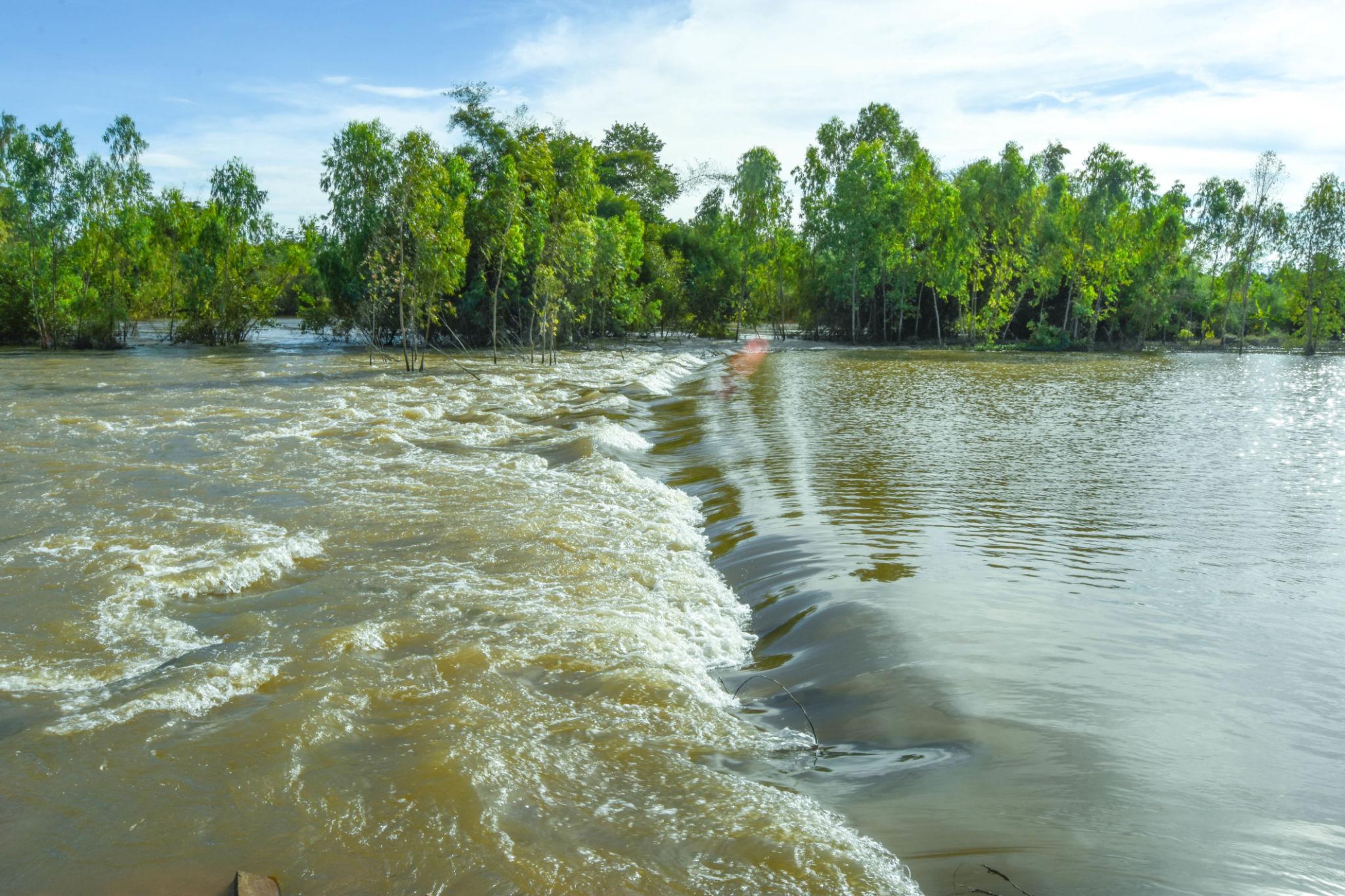
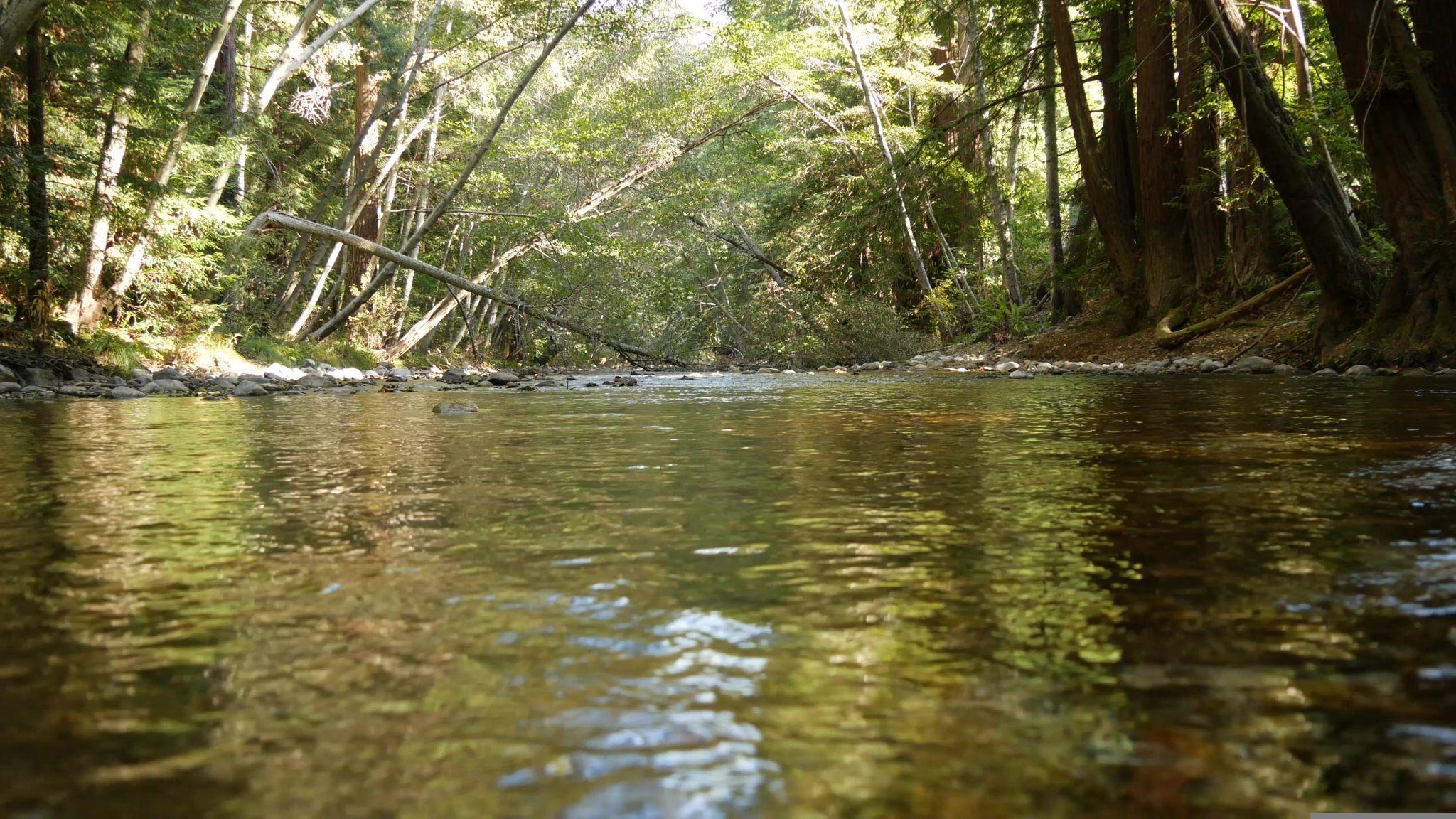
The project was conducted to determine whether the survival of these hatchery-born fish can be improved by releasing them earlier in the year, when winter storms and runoff create higher-flow conditions in the Sacramento River and its tributaries.
The Tradeoff: Bigger Fish vs. Better Conditions
Normally, the fry would be reared at the hatchery for months longer until they’re big enough to cut the adipose fin off and insert coded wire tags into their snouts. The bigger they are at release, the higher their survival, except for one major factor. After early April, farmers throughout the Sacramento Valley crank up irrigation pumps and lower the river, making it far more dangerous for our migrating juvenile salmon. Holding Coleman hatchery salmon to a size where they can be clipped and tagged commonly requires rearing them into April. Releasing them as fry can occur in January. Releasing fry from the Coleman Hatchery was once a regular tool but was discontinued in the early 1990’s.
How Parent-Based Tagging Makes This Possible
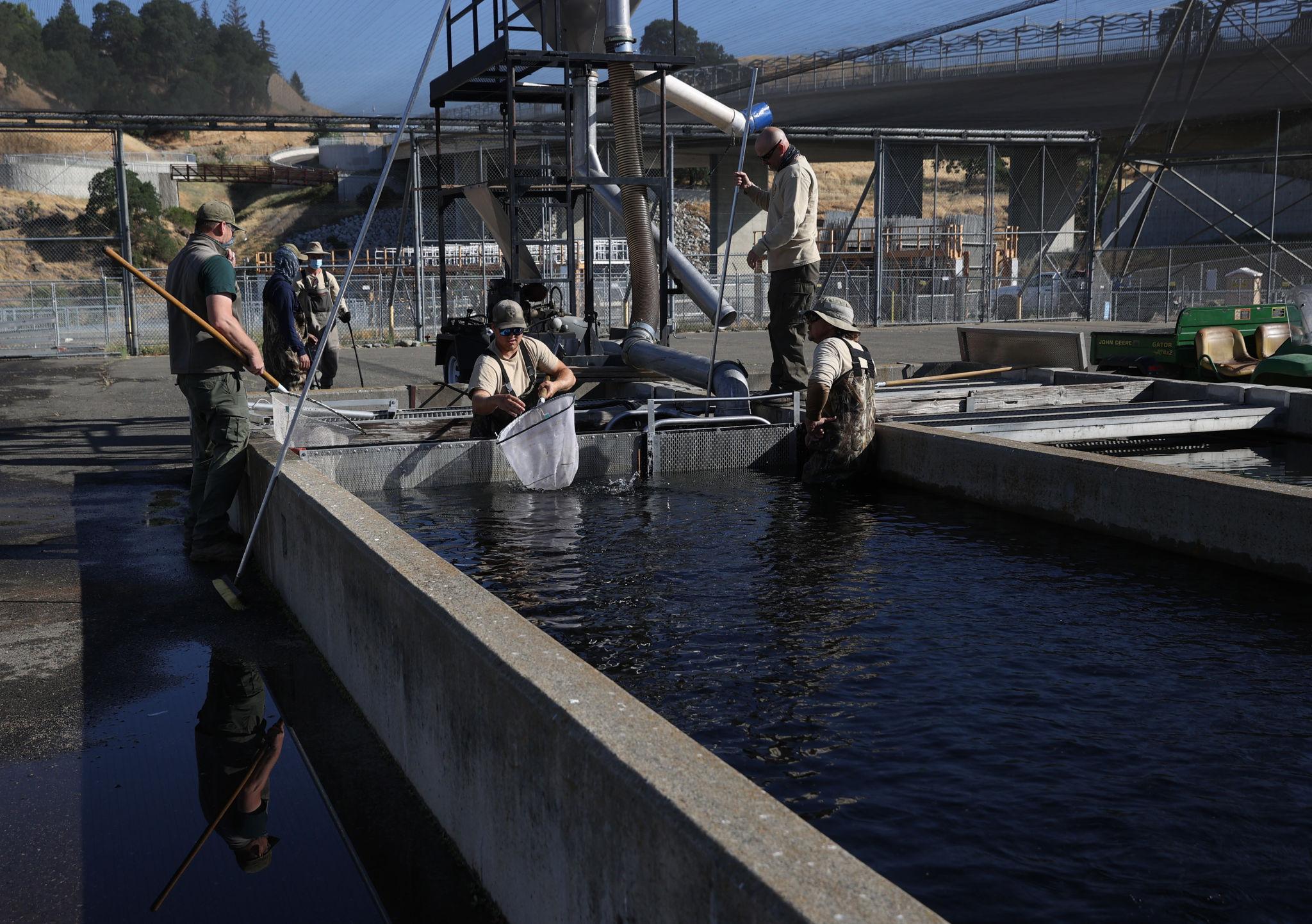
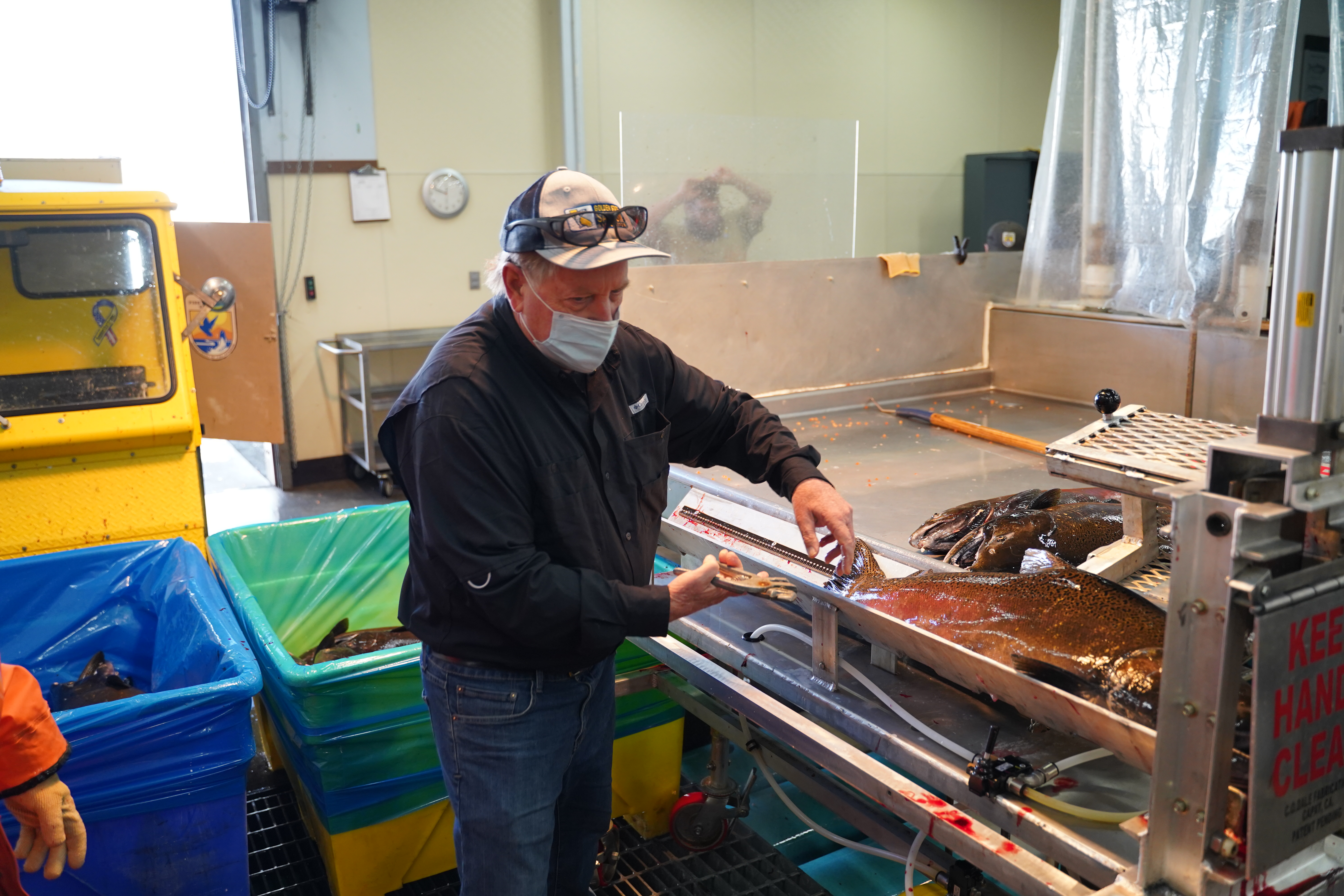
To make the parent-based tagging system work, tissue samples were first collected from the parent fish in 2021 and 2022. The unique DNA in these samples was identified. Then, in 2023, returning adult fish with intact adipose fins had their tissue sampled, starting with jacks (two-year-olds). Tissues were again collected from two and three-year-olds in 2024 and 2025. More samples will be collected this year to continue the study.
What the Early Data Shows
The Fish and Wildlife scientists were able to positively identify DNA that matched the parents from 2021 and 2022. The project also encountered some DNA samples that were too degraded to provide the info needed. Other samples passed some screens for the released fry but were inconclusive on others and were therefore not considered part of the group.
Promising Signals—But More Work Ahead
Of all the tissue samples collected, about 2.55% were fish released as unfed fry. Much more study will be needed to understand the overall contribution of such releases to the production of adult salmon. In addition, tissue samples will be needed from additional tributaries and collection sites throughout the basin to provide a more complete picture of how these fish are surviving and where they end up.
Toward Smarter Release Strategies
Eventually, researchers should be able to determine what release locations and strategies provide the highest survival and tailor future releases accordingly.
This is what progress looks like—but it doesn’t happen on its own.
Smarter strategies like early fry releases only work when science, funding, and advocacy come together.
👉 Join GSSA, support the work, and help drive real solutions for salmon.