Salmon Are More Than Just a Fish
When most people hear the word salmon, they picture fishing boats, rivers, or maybe a fillet on a dinner plate or at a restaurant. But in California, salmon represent something much bigger.
They support entire coastal and river communities across the state.
From commercial fishermen and charter captains to marina operators, tackle shops, restaurants, and tourism businesses, salmon fuel a major economic engine along California’s coast and throughout the Central Valley.
Historically, California’s salmon fishery has supported approximately 23,000 jobs and more than $1.4 billion in annual economic activity.
That economic network stretches far beyond the water. It reaches into working waterfronts, small businesses, local restaurants and hotels, and family livelihoods.
Simply put, when salmon runs are healthy, a whole economy thrives. And conversely, when salmon disappear, the economic ripple spreads far beyond the rivers.
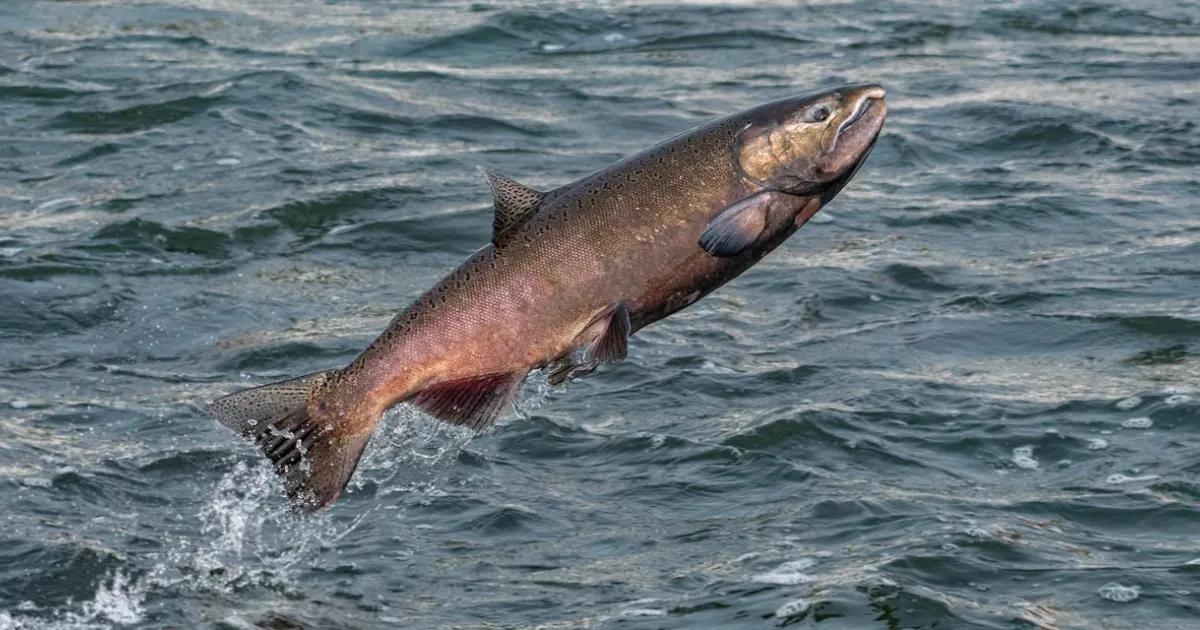
A Glimpse of Hope: The 2026 Salmon Season Begins to Take Shape
There is some encouraging news for anglers and coastal communities this year.
California’s 2026 ocean salmon season is beginning to take shape.
The Pacific Fishery Management Council has released preliminary alternatives for the recreational and commercial salmon seasons, outlining potential fishing opportunities for the year ahead. But there is one important detail that may be less obvious in the Council’s materials.
The Monterey “Cell” fishery will open on April 11.
This area lies south of Pigeon Point in southern San Mateo County and includes the waters of Monterey Bay all the way south to the Mexican border. It will provide the first ocean salmon fishing opportunity in California in 2026.
Some anglers may notice that a May 15 date appears in the PFMC March meeting documents. That date is not the opening day—it is simply a continuation of the season that begins on April 11.
While the Council will finalize the full season structure by April 12, even limited openings like this matter.
Why this matters is that even before the salmon season opens, boats start moving. Anglers tow trailers down the coast. Charter captains book trips. Folks start renting guest slips and even hotel and Airbnb accommodations. Coastal towns begin to feel the return of fishing activity.
For communities that depend on salmon, the season isn’t just about fishing; it’s about economic survival.
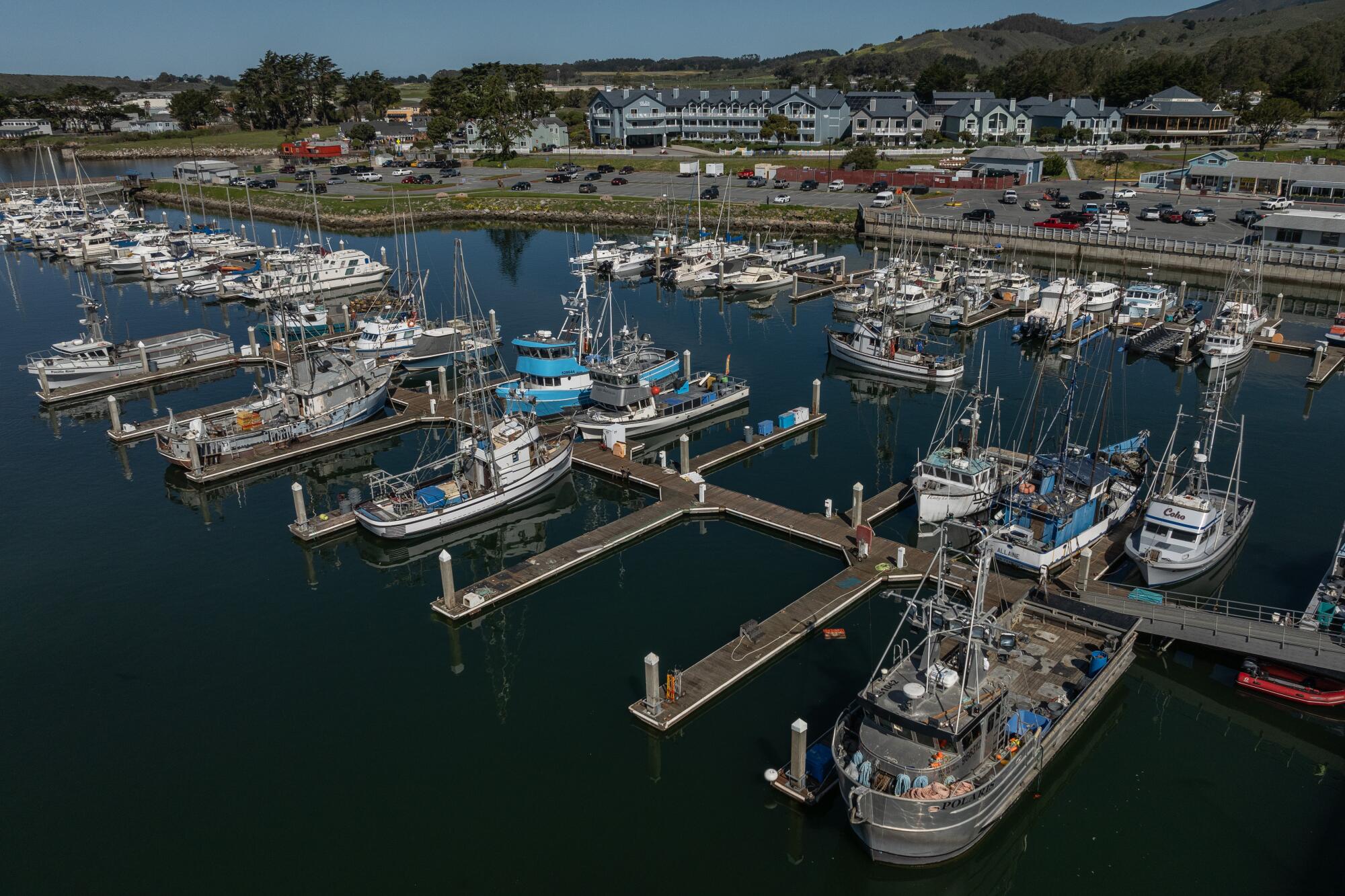
A Working Waterfront
Along California’s coast, salmon fishing has long been the backbone of working waterfronts.
Ports like Bodega Bay, Sausalito, Richmond, Berkeley, Emeryville, Half Moon Bay, Monterey, and Fort Bragg support fleets of commercial fishermen who harvest salmon during the short ocean season. Many of these fishermen come from multi-generation fishing families whose livelihoods have been tied to the ocean for decades.
Behind every fishing boat is a network of supporting businesses:
- Marine mechanics
- Fuel docks
- Ice houses
- Gear suppliers
- Fish processors and distributors
For many commercial fishermen, the salmon season helps determine whether their year is financially viable. When salmon fishing opportunities shrink or disappear, boats sit idle at the dock and incomes vanish.
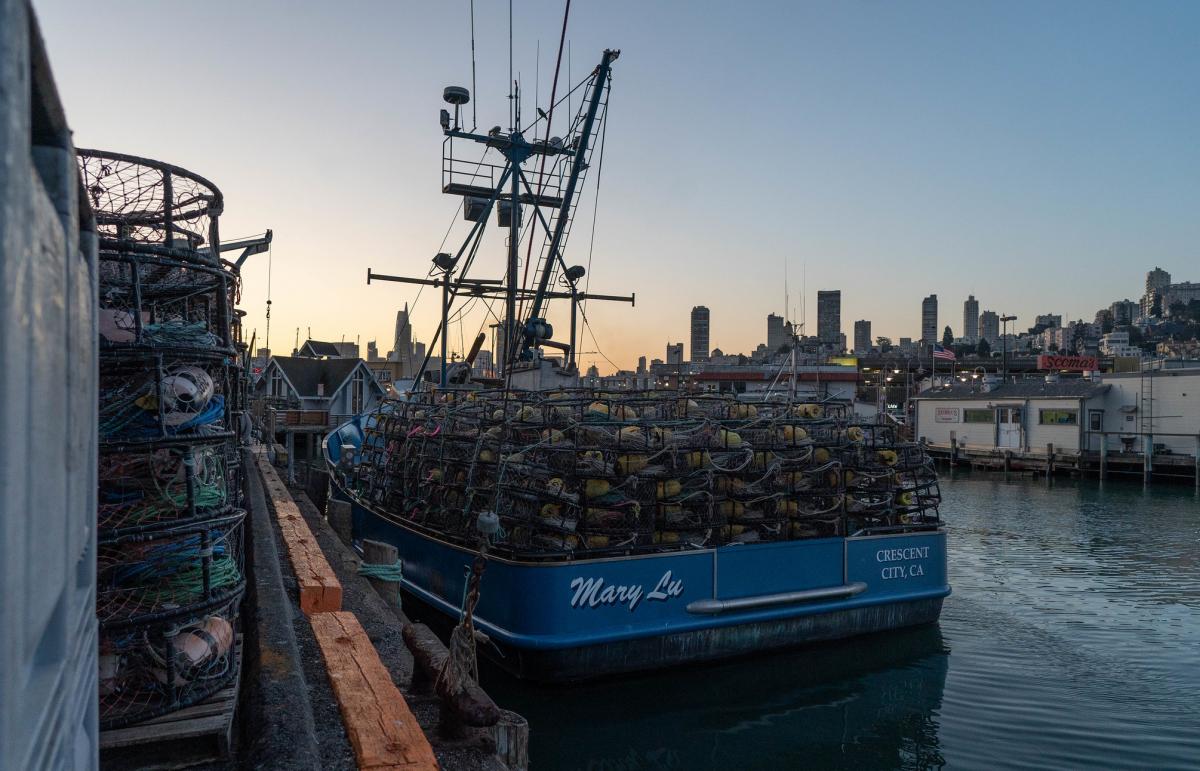
“People tend to focus on the boats, but the truth is the entire waterfront depends on those fish moving through the system,” said Kenny Belov, owner of TwoXSea. “When salmon season is open, we’re buying fish, processing it, distributing it to restaurants and markets—it keeps everyone working. When the season shuts down, we turn to other species to keep our bills paid. The fishermen don’t always have that luxury. Permits, area restrictions, etc., can keep boats tied up, which means it’s hard for them to get a paycheck.”
The impact reaches beyond individual fishermen. It affects the entire infrastructure that supports coastal fisheries.
The Charter Fleet and Recreational Economy
Salmon also support a vibrant recreational fishing economy.
Charter boat captains and deckhands depend on the salmon season to fill their calendars with trips. Marinas depend on anglers launching boats and buying fuel. Bait shops and tackle stores depend on fishing activity to keep their doors open.
When salmon are biting, coastal communities feel the energy.
Anglers travel from across California—and often from out of state—to fish for salmon. They book hotels, eat in local restaurants, buy gear, and spend money in coastal towns.
“Salmon are the backbone of what we do,” said Captain Tyja Taube of Reel Obsession Sportfishing. “Rockfish, halibut, crab—they all help—but salmon is what really drives the season. It’s what fills the calendar, gets people excited, and brings life to the harbor. When salmon are healthy, the whole system works. Everything flows downstream from that.”
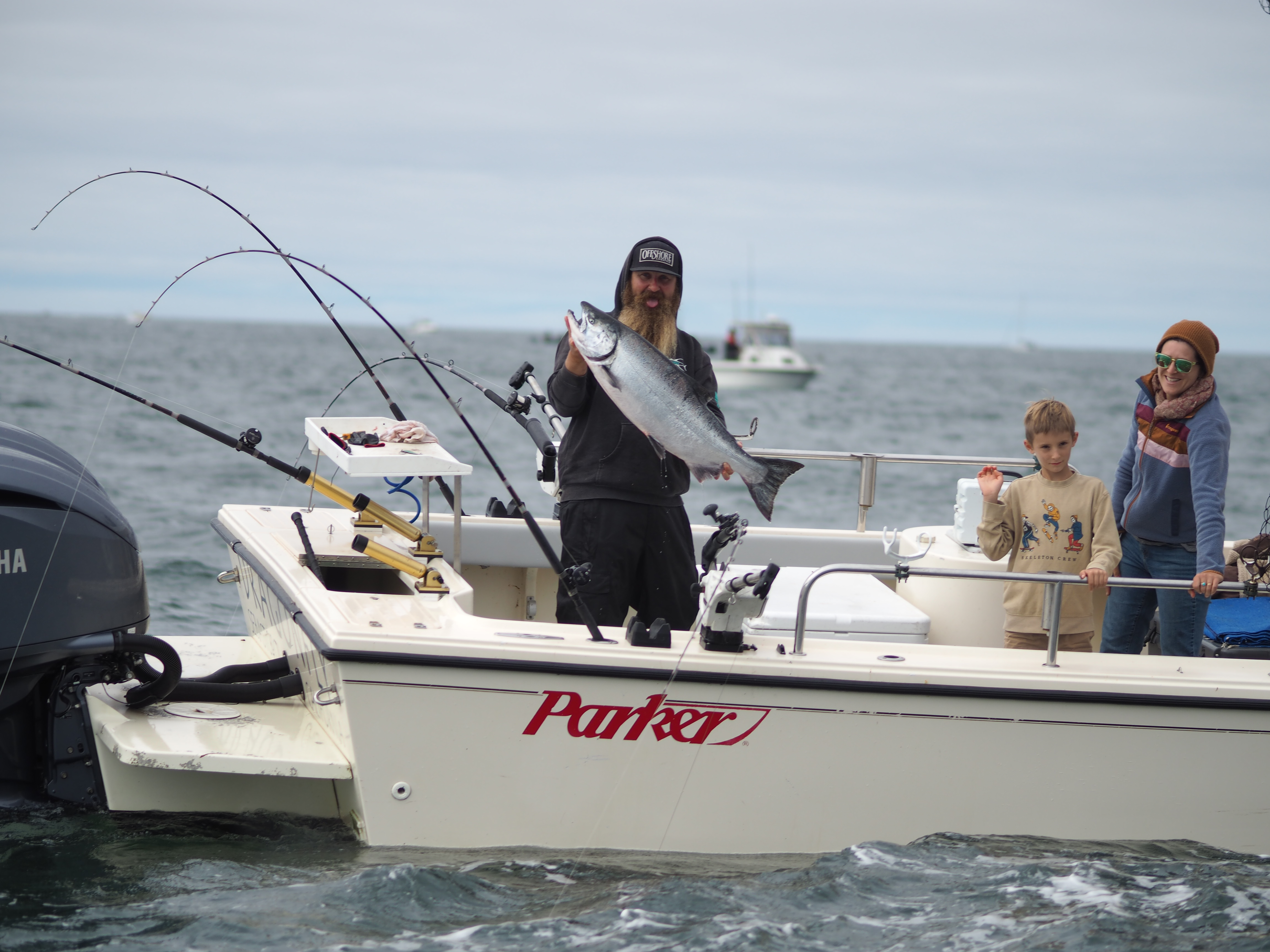
Captain John Marfia of Tanker City Sportfishing adds, “To be successful with salmon, you have to treat it like a science. “Catch data, tides, moon phases—they all matter, and they all tell a story if you’re paying attention. I fish a lot of different species, but salmon is different. It rewards preparation, and that’s where we separate ourselves. But none of that matters if the fish aren’t there. We need everyone working together—from the people managing the water to the hatcheries—because if we don’t get it right, there’s no fishery left to enjoy.”
And each fish matters more than most people realize. Studies have shown that a single California salmon can generate significant economic value depending on where and how it’s caught. A sport-caught salmon in a river can generate more than $1,100 per fish in total economic impact, while ocean-caught salmon still contribute roughly $280 or more per fish through spending on travel, gear, fuel, and licenses.
Additionally, commercially caught salmon are essential to California’s working waterfronts and local food system, supporting fishermen, processors, and coastal businesses. Individual fish typically generate $138 to $214 in direct economic value, while retail prices for wild California king salmon can reach $20–$35 per pound or more.
In other words, every salmon caught isn’t just a moment on the water—it’s a meaningful contribution to local economies up and down the coast.
Even a short salmon opener can bring a surge of economic activity to communities that rely on seasonal tourism.
The early Monterey Cell opener on April 11 could trigger exactly that kind of movement. Trailer boats and anglers often travel to the first available fishing opportunity of the year, bringing business with them.
For coastal towns, the start of salmon season often signals the beginning of a busy and productive stretch of the year.
Salmon on the Plate
Salmon are also deeply woven into California’s food culture.
Wild California salmon is one of the state’s most iconic seafoods. Restaurants across the state feature fresh salmon on seasonal menus, and local seafood markets depend on salmon landings to supply customers seeking high-quality, locally caught fish.
“For chefs, wild California salmon isn’t just another ingredient—it’s the centerpiece of the season,” said Kevin Godes, GSSA board member and Bay Area chef. “We bring these fish in whole and honor every ounce of them, from a hard sear that crisps the skin to slow preparations that let the richness of the fish speak for itself. But none of that happens without our commercial fishermen. When those boats are on the water, the whole system comes back to life—from the deckhands and processors to the kitchens and dining rooms. Getting salmon back on the plate means getting our commercial brothers and sisters back to work, and that’s something every chef and every diner should care about.”

From dockside markets to farm-to-table restaurants, salmon connects fishermen directly to California’s culinary community.
Every salmon served in a restaurant represents a chain of livelihoods—from the fisherman who caught it to the chef who prepared it.
When salmon runs are strong, that entire chain benefits.
What Happens When Salmon Disappear
Over the past several years, California has experienced how devastating salmon declines can be.
Poor ocean conditions, drought, and harmful water management decisions contributed to extremely low salmon numbers. As a result, California’s salmon fishing seasons were severely restricted or, in the case of commercial fishing, closed entirely in recent years.
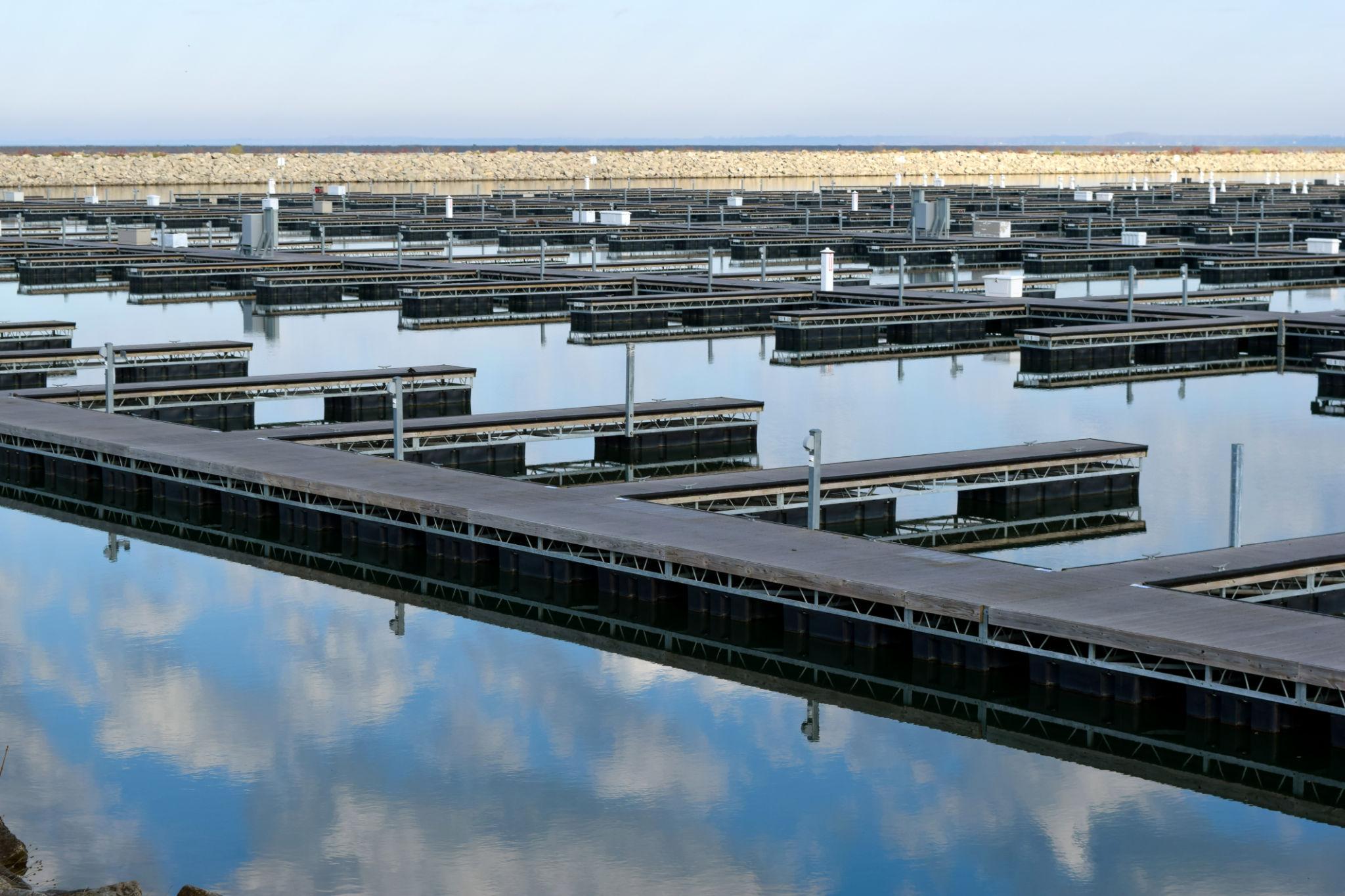
The consequences were immediate.
Charter boats canceled trips. Commercial fishermen lost a major source of income. Restaurants struggled to find local salmon. Coastal tourism slowed.
For some fishing families, the closures threatened generations of tradition and livelihood.
When salmon runs collapse, the impact spreads from the rivers to the ocean—and from the harbor to the entire coastal economy.
The Root of the Problem: Water Policy
While ocean conditions play a role in salmon survival, one of the biggest drivers of salmon declines in California is water management.
Salmon depend on healthy rivers to survive. Juvenile salmon must migrate downstream through the Sacramento–San Joaquin watershed and the Delta on their way to the ocean.
When excessive water diversions reduce river flows, salmon conditions deteriorate.
Lower flows can mean:
- Warmer water temperatures
- Reduced habitat
- Increased predation
- Slower migration to the ocean
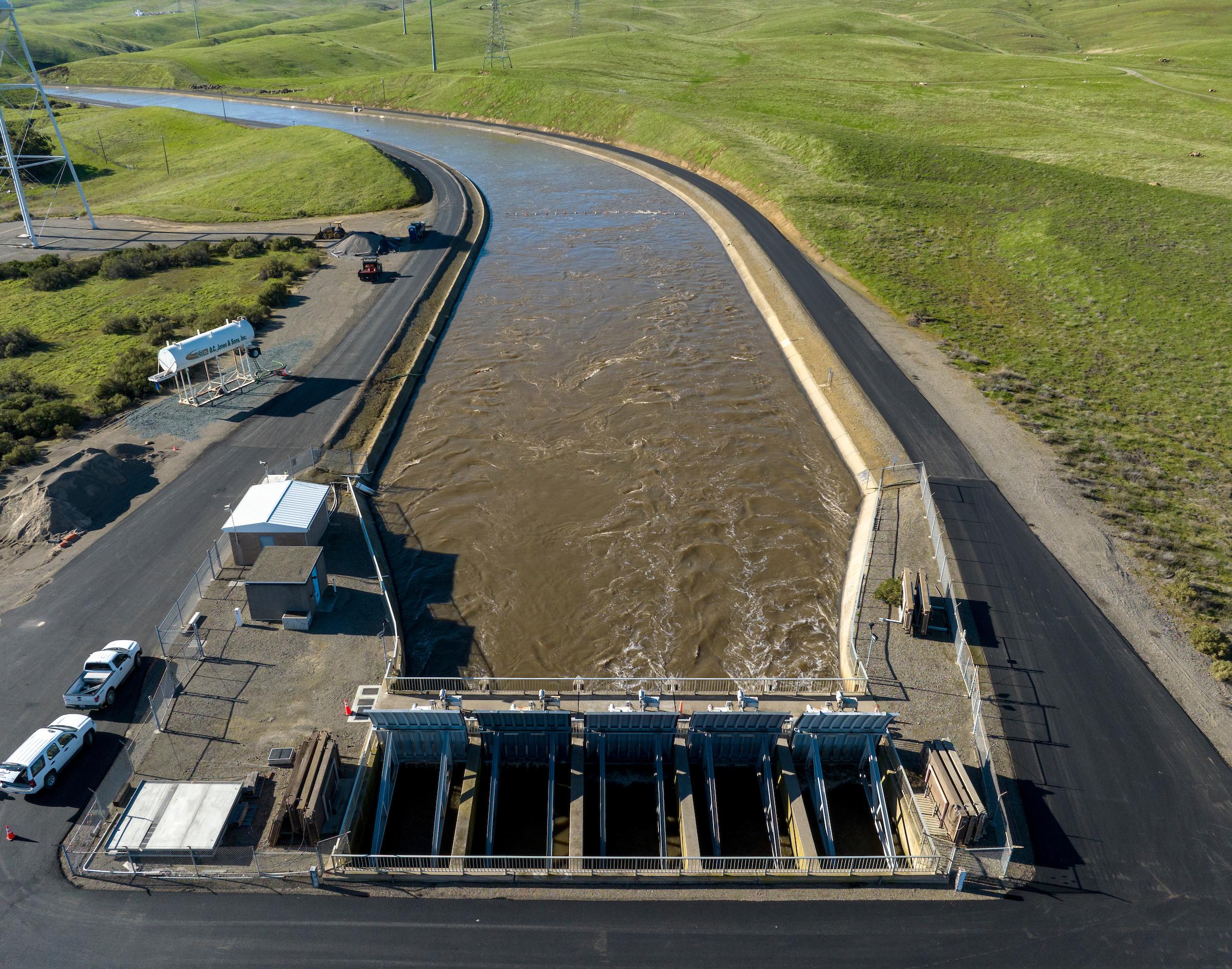
These challenges significantly reduce the number of young salmon that survive to adulthood.
In other words, decisions about how California manages its water can determine whether salmon runs recover—or continue to decline.
Protecting salmon isn’t just about protecting fish; it’s about protecting the communities that depend on them.
The Path Forward
Despite the challenges, there are reasons for cautious optimism.
After the extremely wet winter of 2023 and the somewhat wet winter of 2024, improved river flows helped create better conditions for juvenile salmon migrating to the ocean. As a result, salmon returns began showing signs of improvement, including strong jack returns in 2025.
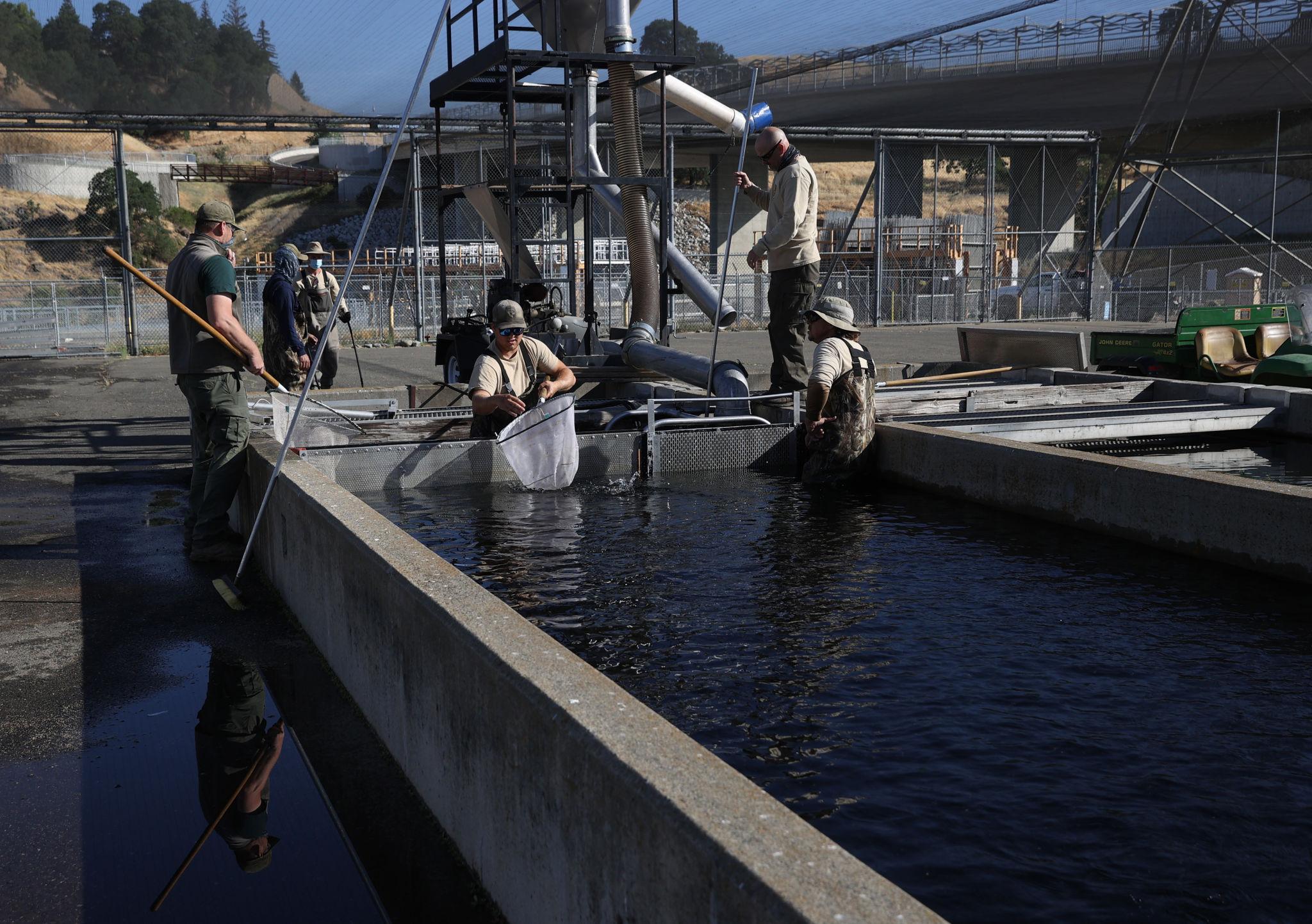
These results reinforce an important lesson:
When rivers work for salmon, salmon respond.
Efforts to rebuild salmon populations will require continued action, including:
- Improving river flows
- Restoring habitat
- Modernizing hatcheries
- Ensuring water management decisions consider fish survival
These steps can help rebuild salmon runs and restore the economic benefits that healthy fisheries bring to communities across California.
Healthy Rivers, Healthy Communities
Salmon are more than a species.
They are a keystone of California’s ecosystems, a cornerstone of coastal economies, and a cultural touchstone for fishing communities across the state.
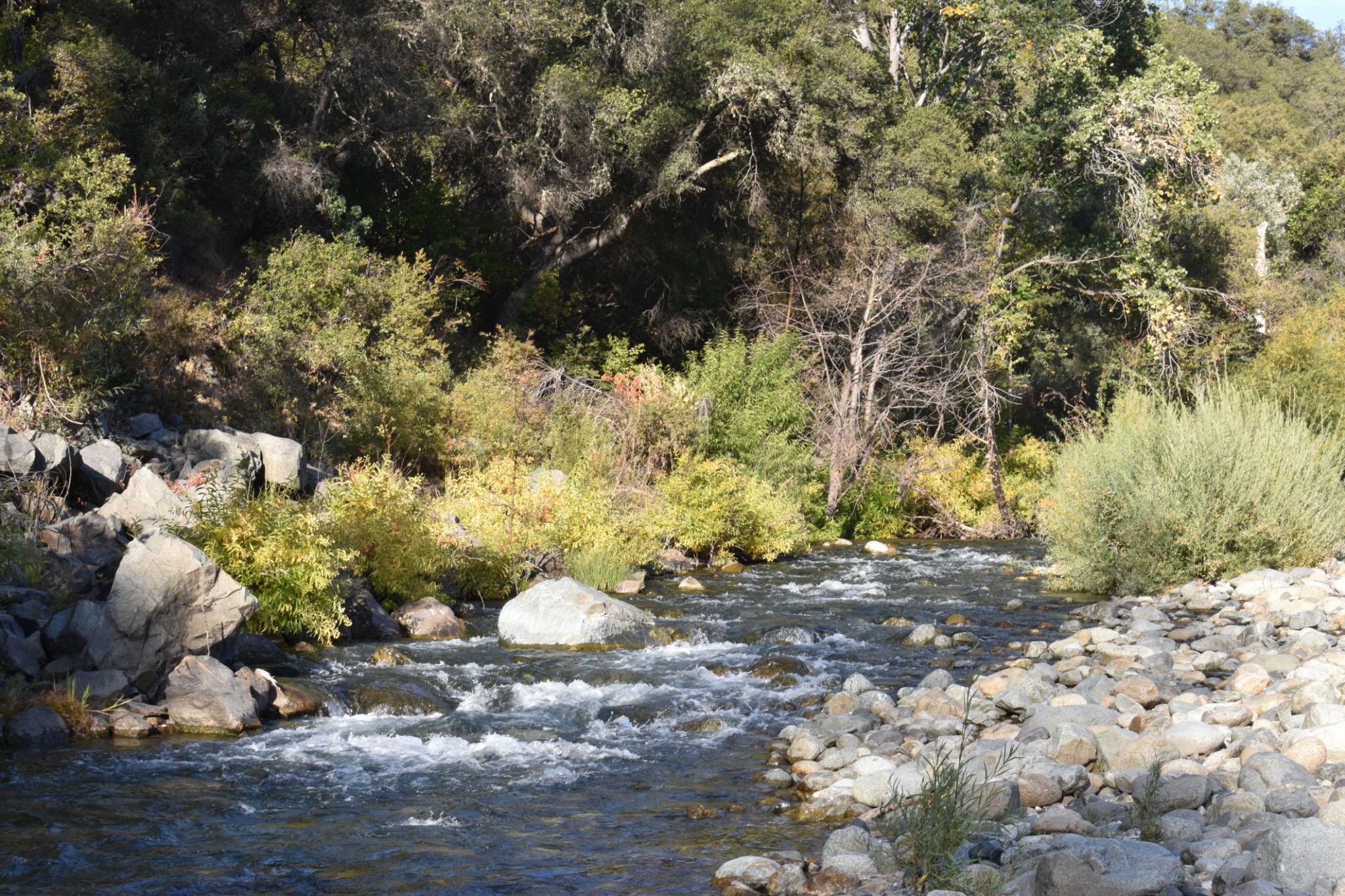
When salmon runs are healthy, fishermen work, coastal businesses thrive, and local seafood reaches dinner tables across California.
The fight to restore salmon is about more than saving fish; it’s about protecting the rivers, jobs, communities, and traditions that depend on them.
Support the Work to Protect Salmon
The work to restore California’s salmon runs is far from over.
You can help support the efforts to rebuild salmon populations and protect the communities that depend on them.
Join the Golden State Salmon Association to stay informed, support science-based policy solutions, and help ensure that California’s salmon—and the economy they sustain—have a future.