Early reports indicate fall-run salmon are returning to spawn in the Sacramento Valley.
Early Salmon Returns Offer Reason for Optimism
Fall-run salmon are returning to spawn in the Central Valley in numbers that have some state personnel cautiously optimistic. CDFW staff recently told GSSA that, as of the second week in November, about 31,000 adult fall-run salmon had been counted on Battle Creek, a major tributary of the upper Sacramento River and home to the Coleman hatchery.
The state workers report that this year’s returns look “average,” although below the levels of spawning salmon that returned in 2025. They didn’t yet have an estimate of how many fall run returned to spawn in the upper Sacramento River mainstem.
What Do These Numbers Mean for the 2027 Fishing Season?
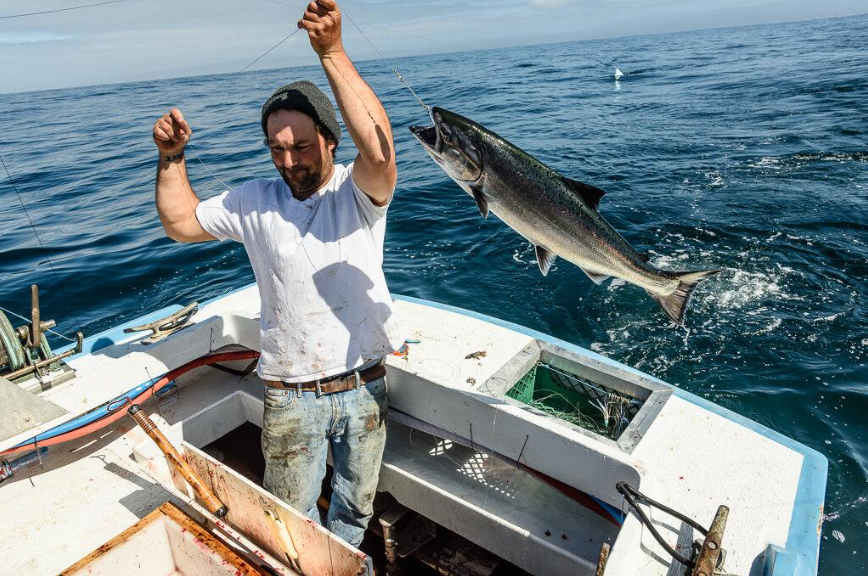
In 2025, about 165,000 fall-run adults and jacks returned to Central Valley rivers and hatcheries, up from 100,000 the previous year. Based on the 2025 return of jacks (two-year-old or “teenage” salmon) that were part of the 165,000, fishery managers calculated there’d be about 392,000 adults (3-year-old) salmon in the ocean last spring, enough to have restricted fishing seasons. If this year’s return is less than 2025’s, hopefully the jack count will still forecast enough adults in 2027 to allow fishing. With fish still coming in out of the ocean, it’s still too early to say anything definitive, but signs at this point, while not as promising as last year, give some reason for optimism.
Encouraging News for Endangered Winter-Run Salmon
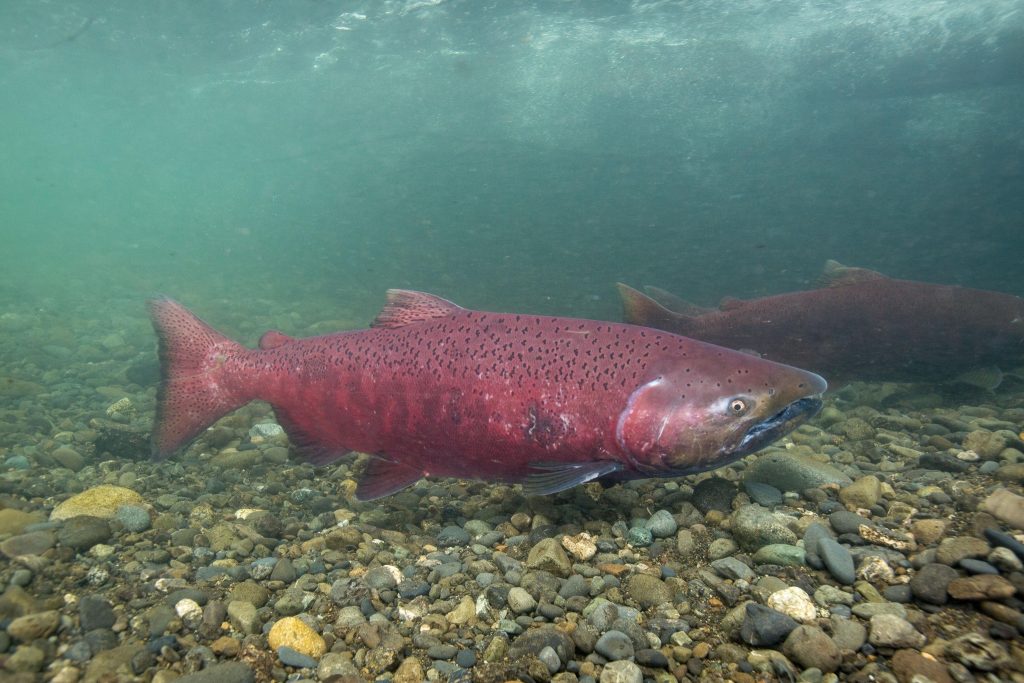
About 11,000 federally protected winter-run salmon showed up this year, an encouraging number. An estimated 50 percent of these fish were of natural origin, compared to 2025’s return, when only about 23 percent were born in the wild, and about 77 percent were hatchery-bred.
Warm Water Threatens the Next Generation of Salmon
To avoid wiping out this year’s spawning winter run, the federal Bureau of Reclamation, which operates Shasta Dam, added lots of cold water to the high volumes released over the summer for agricultural purposes. This cold water no doubt helped the winter run, but it also meant Lake Shasta was dangerously low on cold water by September and October, when fall-run spawners needed it. Had the Bureau lowered releases for agricultural purposes over the summer, they could have preserved far more of the cold water stored upstream. What the net effect of these actions will mean for the survival of fall-run eggs remains to be seen. Fall run that spawned in September and October laid eggs in water that regularly exceeded optimal temperatures for salmon egg incubation. Put differently, salmon eggs incubate and hatch in 54-degree water. This year, much of the spawning grounds were covered in 57-degree water when the fall run laid eggs.
One surprise from CDFW staff was news that some of the furthest upstream parts of the Sacramento River, which are normally the coldest, were warmer this year than downstream reaches. This suggests that fall-run spawning downstream of Redding might have fared better than spawning upstream.
Salmon are still arriving in the upper Sacramento Basin, though their numbers are tailing off. Water temperatures normally start to naturally drop by November due to shorter days and colder nights.
More Good News for Spring-Run Salmon, But Concerns Remain
Another bright spot was the return of an estimated 1,000 spring-run salmon to Deer Creek. Although this is a decent number by modern standards, it’s a fraction of historical returns. Spring-run returns to Butte Creek, normally the strongest part of the run, were around 5,000.
State fish experts are worried that spring run returns will likely fall in the next few years because so few adult fish returned to spawn in 2024 and 2025.
Fixing Shasta Dam’s Cold-Water Problem
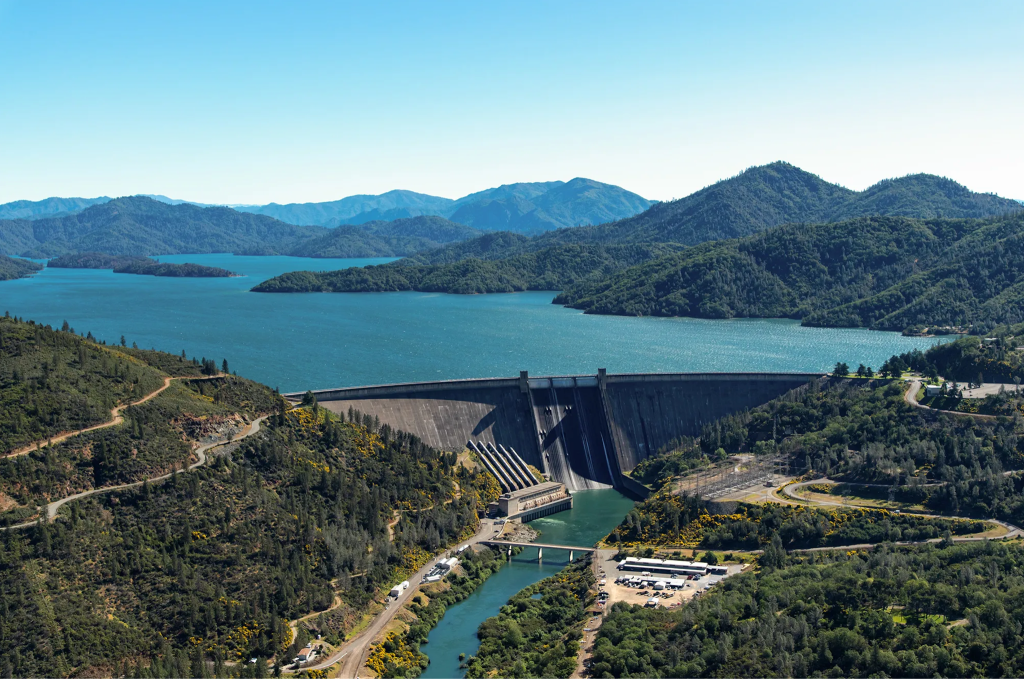
It’s no surprise that the so-called temperature-control device on Shasta Dam remains weak. It was built decades ago to let dam operators siphon extra cold water from the bottom of Lake Shasta and release it downstream to aid salmon. The problem is that it also mistakenly pulls in warmer water from closer to the lake’s surface and mixes it with the cold water, undermining the benefit it is supposed to provide. The idea of such a technology is good, and this thing can and should be repaired or replaced with one that works. This will require significant federal funding. GSSA will be talking with federal lawmakers about the need to fund repairs or replacements for the Shasta temperature-control device and a similar device on the Folsom Dam, which is supposed to cool the American River for salmon but doesn’t work.
The Bottom Line: There’s Hope, But There’s Work to Do
It’s still too early to know what the 2027 salmon fishing season will look like. Early returns give us some reason to be hopeful, but we’ve seen how quickly things can go wrong when salmon don’t get the cold, clean water they need to survive.
The good news is that California’s salmon are still fighting their way home. The bad news is that poor water management continues to make their survival harder than it needs to be.
At GSSA, we’re fighting for better river flows, stronger temperature protections, and infrastructure fixes that should keep our rivers cold enough for salmon. Because if we want healthy salmon runs and reliable fishing seasons in the future, we need to protect the fish today.
Want to help bring California’s salmon fishing seasons back for good? Support GSSA and help us fight for healthier rivers, more salmon, and a future where fishing seasons are the rule, not the exception.