Early Central Valley counts offer reasons for optimism, but jack returns and spawning surveys will help determine next year’s fishing opportunities.
Early salmon returns across California’s Central Valley are giving fishermen some reasons to be optimistic about 2027. From Battle Creek to the Feather River, tens of thousands of fall-run Chinook salmon are returning to spawning grounds. An early, rough estimate suggests total Sacramento Valley returns could top 200,000 fish.
That’s encouraging news. But there’s a catch: managers report that jacks, or two-year-old salmon, make up a smaller share of returning fish than last year. Those younger fish help predict next year’s ocean abundance.
“It’s great to see some solid salmon numbers coming out of our rivers this fall. We’re hearing encouraging reports from the Feather, American, and Sacramento rivers, and that’s something worth celebrating. But we’re also realistic. One good year doesn’t mean our salmon are out of the woods.” — Michael Frost, GSSA Executive Director
Sacramento River Salmon Returns
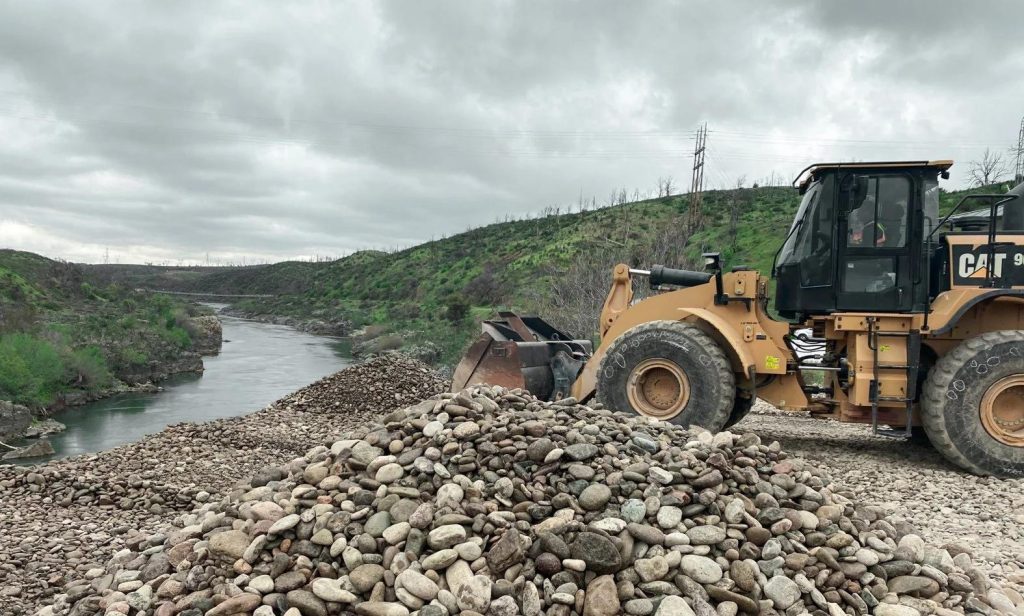
As of early November, CDFW estimated approximately 31,000 adult fall-run Chinook had returned to Battle Creek, which managers call an average return. Another 20,000 to 24,000 adults were estimated in the Sacramento River mainstem.
Water temperatures in the mainstem were around 56–57°F, warmer than optimal. Cold water remains critical for spawning fish and developing eggs.
“We can celebrate the salmon coming back while still asking some tough questions about how we’re managing our rivers. When spawning fish are dealing with warm water below Shasta Dam, that’s a problem we can address. We need to make sure the next generation of salmon has a fighting chance.” — Michael Frost
Feather and American Rivers Looking Strong
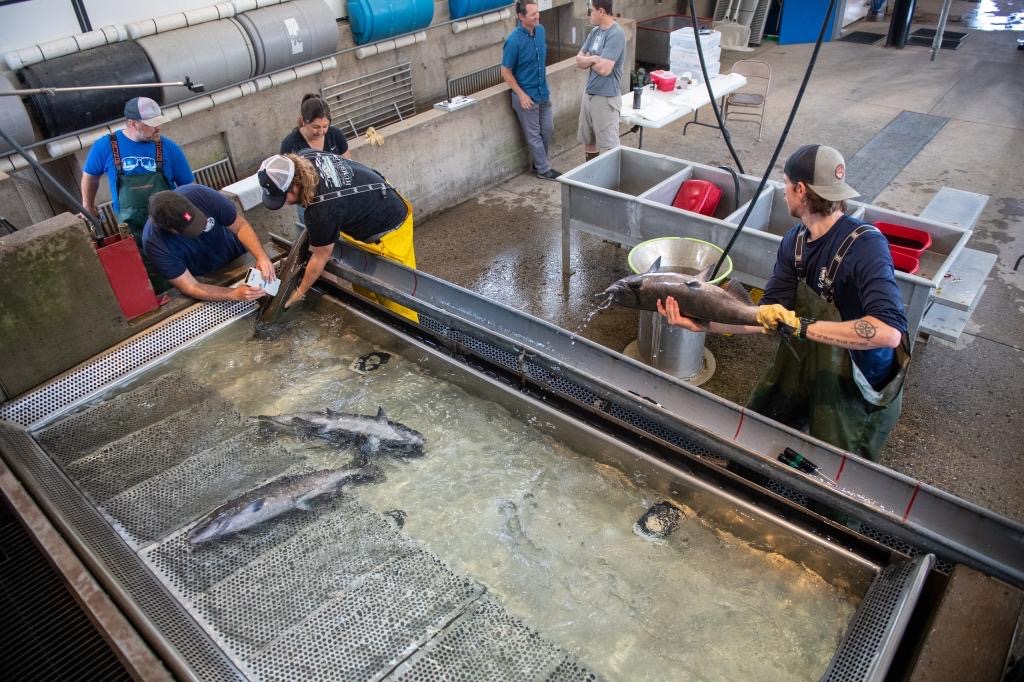
The Feather River saw at least 77,000 salmon return this year. On the American River, counting continued into mid-November, but managers were encouraged and thought the final return might be slightly below last year’s strong 77,000.
Taken together, the early reports suggest Sacramento Valley returns could exceed 200,000 fish. That is a back-of-the-napkin estimate, not a final official count.
Winter-Run and Spring-Run Salmon
Winter-run Chinook estimates stand at about 11,000 adults in the Sacramento River mainstem. Spring-run estimates include approximately 5,000 adults in Butte Creek, considered a good return, and a combined 1,652 in Mill, Deer, Cottonwood and Cow creeks, considered average.
Good News From the Mokelumne River
Managers expect roughly 18,000 adult salmon to return to the Mokelumne Hatchery by the end of counting. They suspect fewer Mokelumne fish strayed into other rivers this year, perhaps because East Bay Municipal Utility District released strong attraction flows upstream. At the same time, the Delta Cross Channel was closed during much of the fall return.
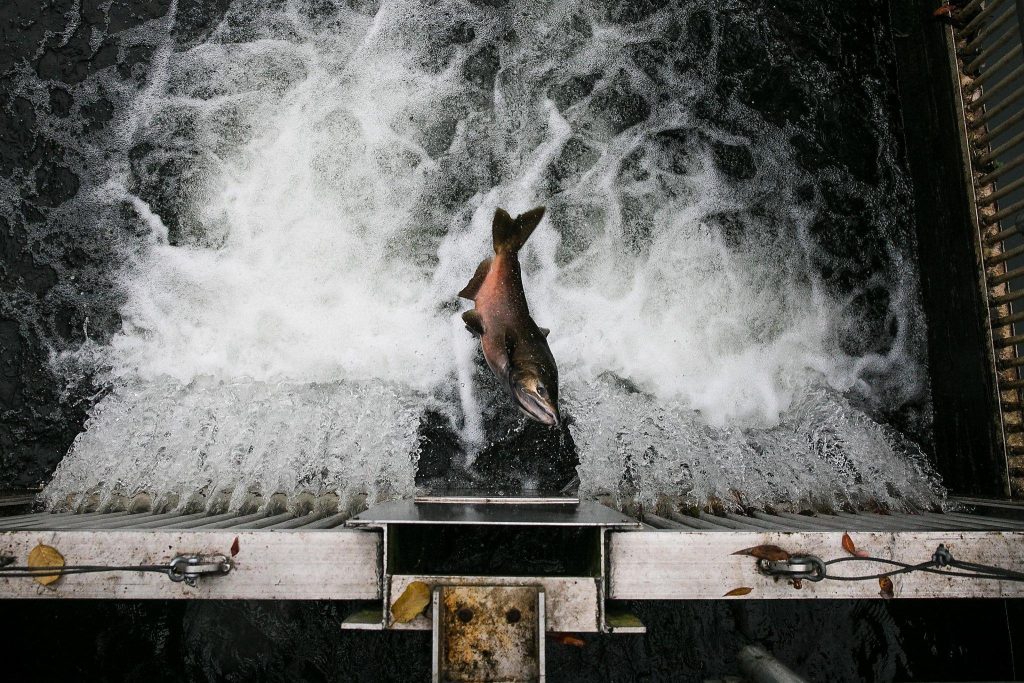
“The Mokelumne is a great example of what can happen when we manage water with salmon in mind. Strong attraction flows appear to have helped more fish find their way home. That’s not complicated. Give salmon the water they need, when they need it, and you give them a better shot at survival.” — Michael Frost
So, Will There Be a Salmon Fishing Season in 2027?
That’s the big question. Adult returns are only part of the picture. Fisheries managers also track jacks, two-year-old fish whose returns help estimate how many adults are likely to be in the ocean the following year. Those ocean abundance estimates inform fishing opportunities.
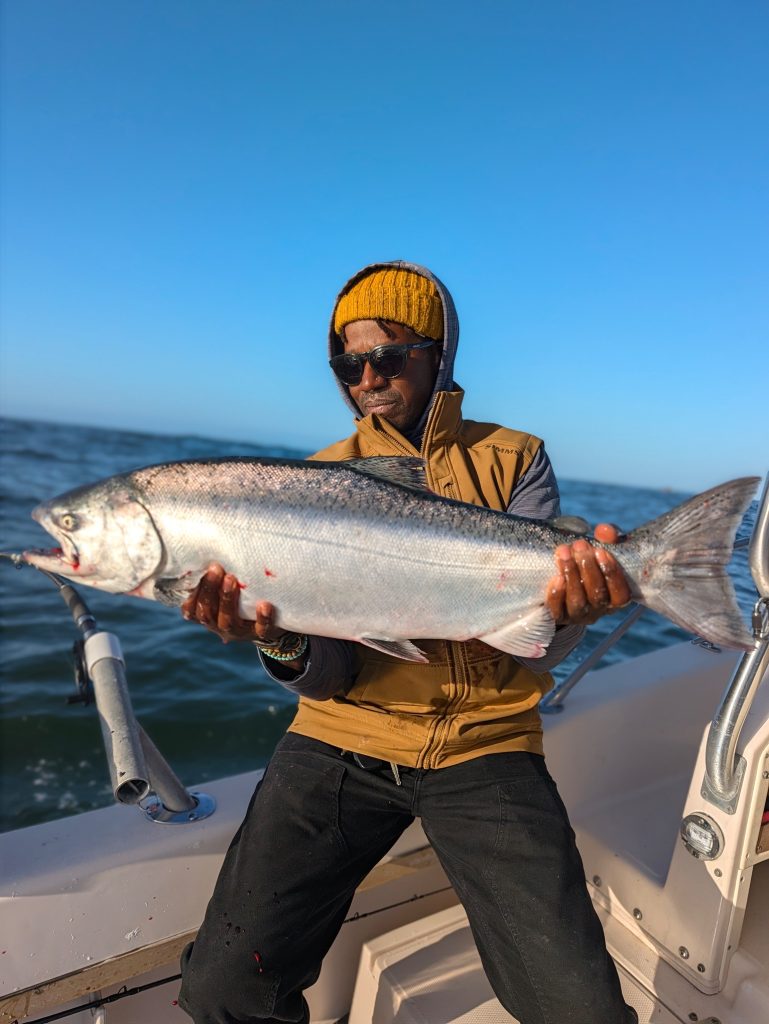
This year, managers say jacks make up a smaller percentage of returns than last year. That doesn’t settle the question of a 2027 season, but it’s a reason to wait for fuller spawning surveys and jack counts before concluding.
“Every salmon fisherman wants to know if we’ll have a fishing season next year. These early returns give us some reason to be optimistic. The jack counts are especially important, and we’ll be watching those closely as the state puts together its forecasts for 2027.” — Michael Frost
Reasons for Hope, but Plenty of Work Ahead
These early numbers are worth celebrating, but one encouraging year is not the same as recovery. Salmon still need cold water, healthy spawning habitat, and enough river flow to help young fish reach the ocean. GSSA will keep tracking the counts and fighting for the fishing communities that depend on healthy runs.
“Our goal isn’t just to have an occasional good salmon year. We want healthy runs that support reliable fishing seasons, thriving coastal communities, and future generations of fishermen. That’s what we’re fighting for, and these returning fish remind us why that work matters.” — Michael Frost