California’s salmon are trying to tell us something. When we get the water right—as we did in 2023 and mostly in 2024—they respond. Rivers run higher and colder. Floodplains reconnect. Juvenile salmon move quickly to the ocean. Survival improves.
When we get it wrong, the opposite happens. Fish stall out. Water warms up. Predators concentrate. Survival drops.
It’s not complicated. And that’s exactly why the Delta Tunnel is such a problem.
Because at its core, this project doubles down on the same approach that pushed salmon to the brink in the first place: taking too much water out of the system and calling it “management.”
“You can’t restore salmon while simultaneously taking more water out of the rivers and delta that they depend on to survive. At some point, if we actually want salmon to survive, we have to curb the appetite of those that have proven they will drain the life out of our rivers.” — Vance Staplin, Executive Director, Golden State Salmon Association
The Pitch: Climate Resilience
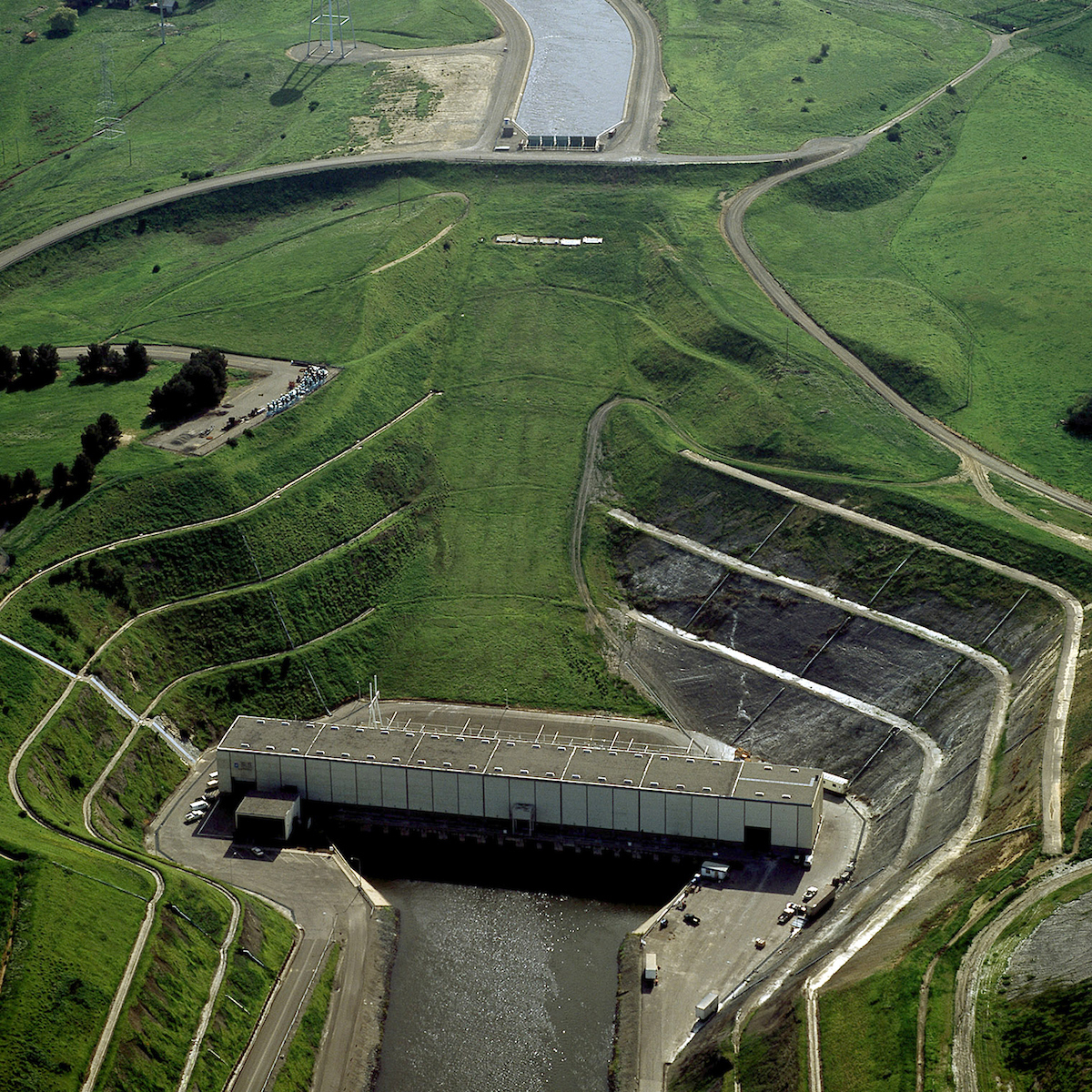
The state’s Department of Water Resources says the Delta Tunnel is about climate adaptation.
With less snowpack, more extreme storms, longer droughts, sea-level rise, and earthquake risk, the state absolutely needs to think about resilience. All of these things are real. But here’s the question no one is answering honestly:
While building resilience is important, we need to think about whose resilience we are building, and at whose expense?
Because you don’t build climate resilience by draining the very rivers that make ecosystems—and economies—work.
Flow Is Not Optional
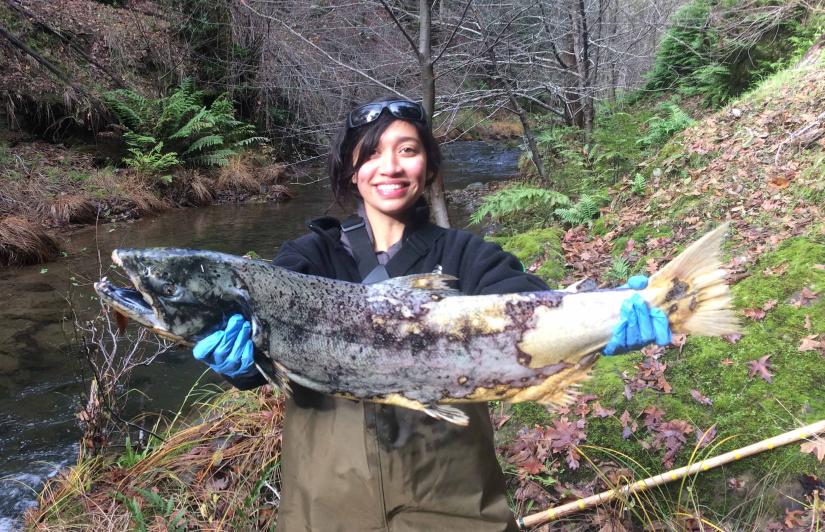
Salmon don’t need perfect conditions. But they do need water.
And cold, moving water does the basics:
- Moves juvenile fish downstream faster
- Dilutes pollutants
- Reduces predator pressure
- Speeds up juvenile migration
- Helps fish survive the gauntlet of the Delta
We’ve seen this play out in real time. The stronger returns we’re seeing now trace directly back to wet years and better flows. That’s not theory. That’s evidence.
So when a project is built to move more water out of the system, it’s fair to ask what happens to everything that depends on that water staying in the river.
This Isn’t Just About the Tunnel—It’s About What Comes With It
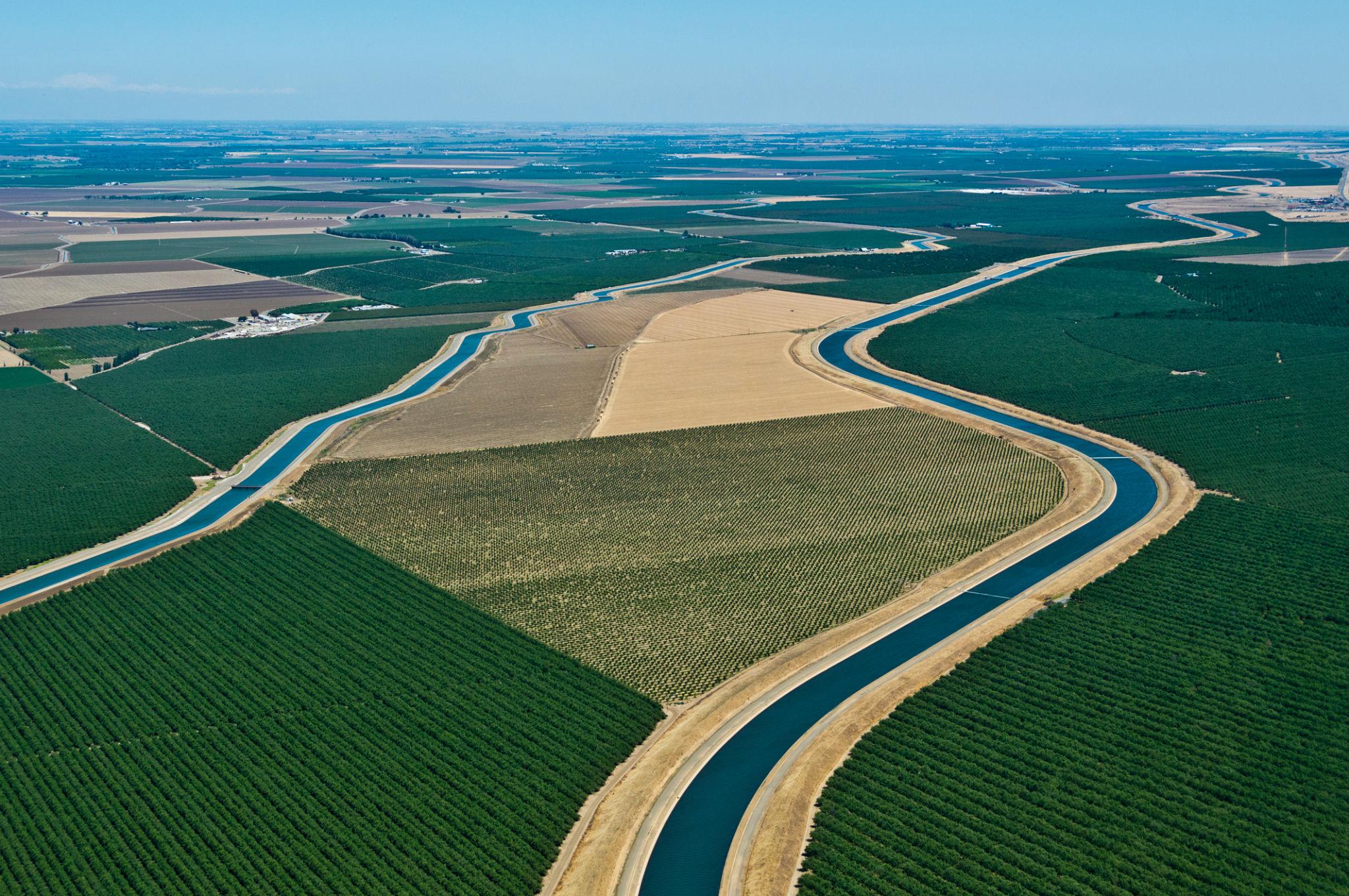
At the same time, the project is designed to increase the system’s capacity to divert water—potentially by hundreds of thousands of acre-feet per year. That raises a fundamental question: in a system where salmon are already struggling, what happens when we build infrastructure that makes it easier to withdraw even more water?
That combination should raise alarms.
Because if you’re serious about recovering salmon, you don’t:
- Weaken flow standards
- Increase diversion capacity
- And call it environmental progress
We’re Already Seeing the Consequences of Over-Diversion
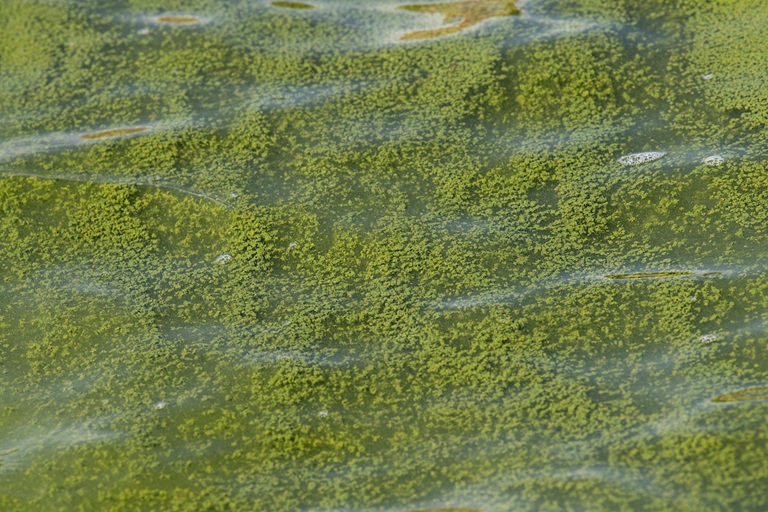
This isn’t theoretical. California’s salmon fishery was largely shut down over the past three years. Coastal communities have taken real economic hits. Fishing families have been pushed to the edge.
Those impacts weren’t caused by the Delta Tunnel. They’re the result of years of over-diverting water from the system, creating what many have called a “man-made drought” for salmon—even in years when water was available.
This is a $1.4 billion industry that supports thousands of jobs. And it’s already in trouble.
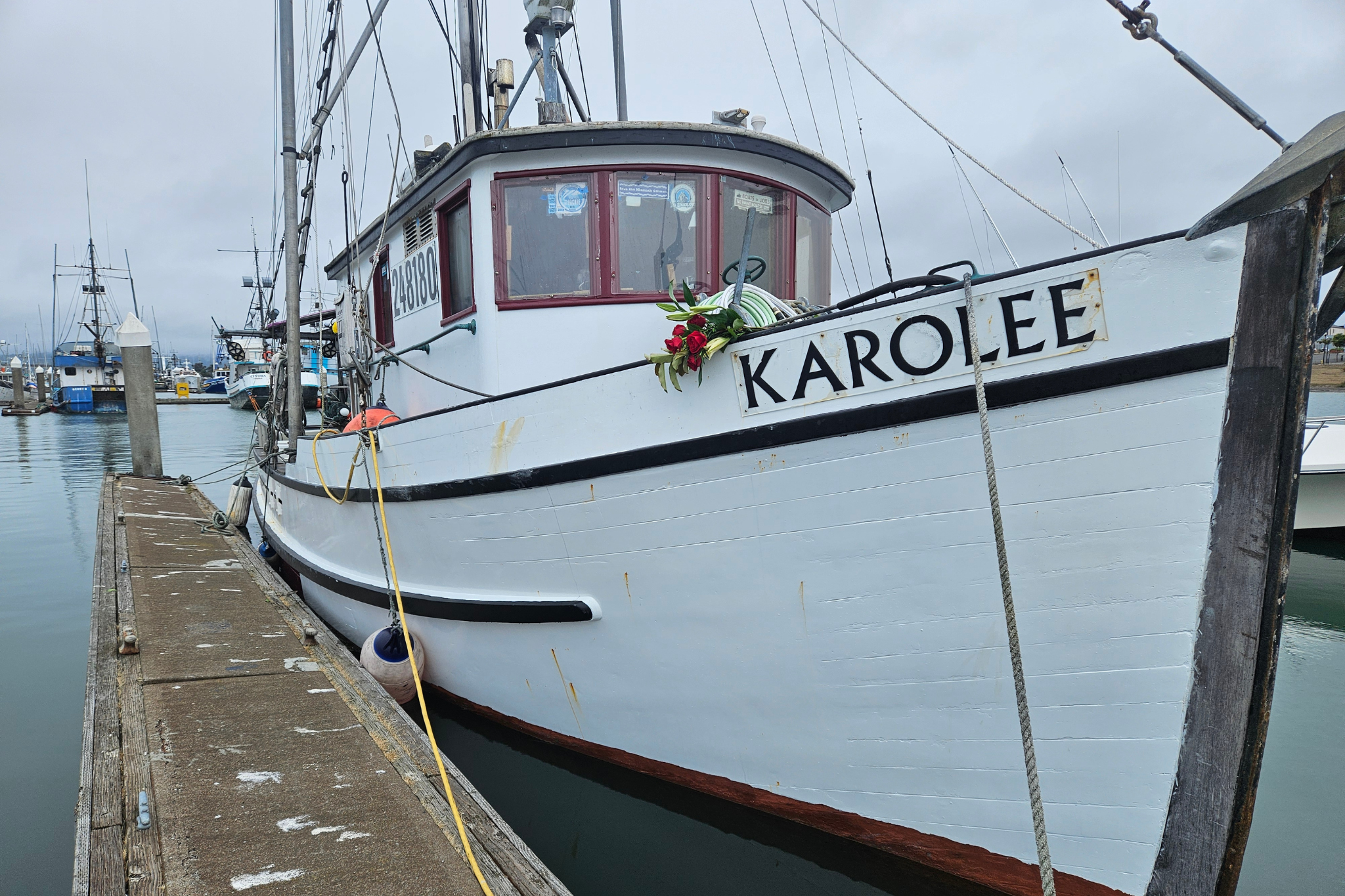
The question now is what happens if we double down on that same approach—by building infrastructure that makes it easier to take even more water out of the rivers salmon depend on.
Who Pays the Price
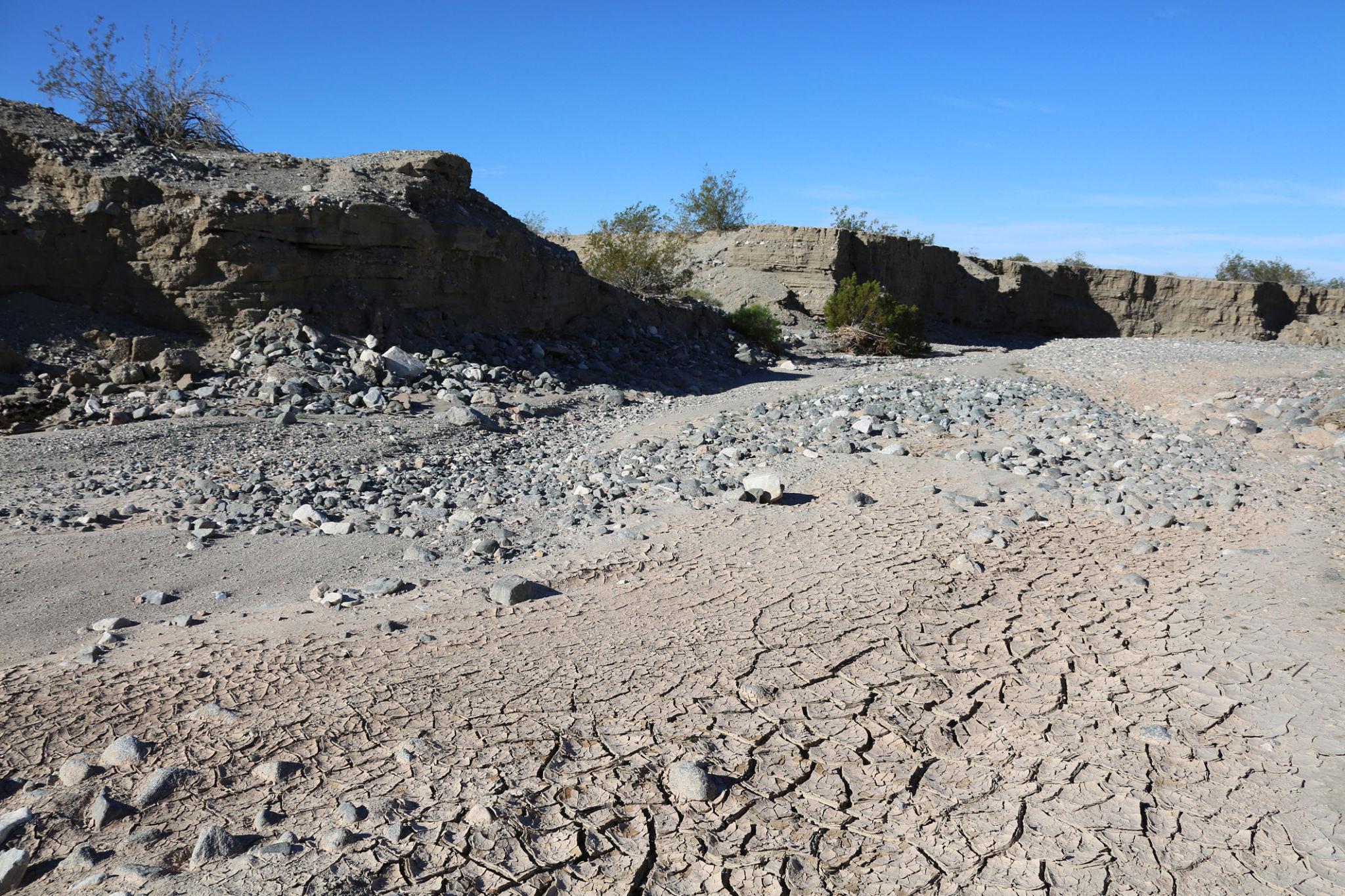
When water policy goes wrong in California, the costs don’t fall evenly.
They show up in:
- Commercial and recreational fishing closures
- Lost income for coastal communities
- Impacts on Tribal cultural resources
- Degradation of the Bay-Delta ecosystem
Meanwhile, the benefits from increased water exports flow elsewhere. That imbalance is at the heart of this fight.
There Are Better Options
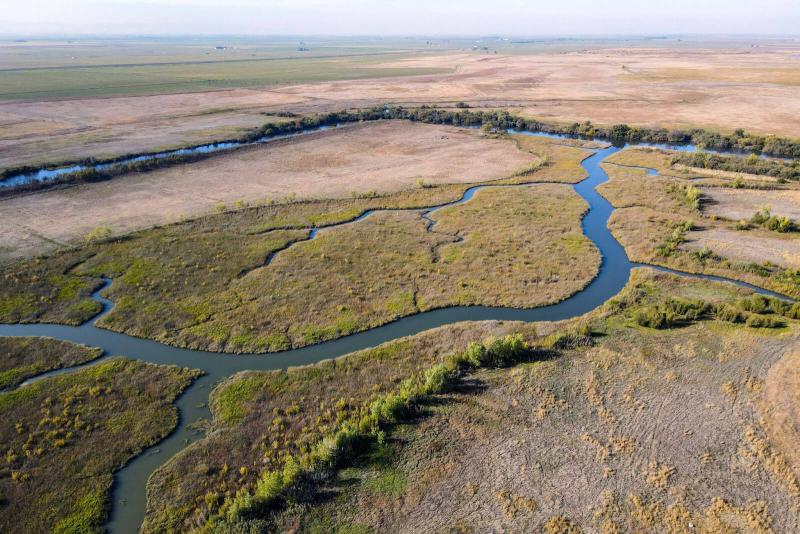
This is the part that often gets lost. Opposing the Delta Tunnel is not the same as opposing water reliability.
California has real tools to build resilience:
- Groundwater recharge
- Stormwater capture
- Water recycling
- Conservation and efficiency
- Smarter regional supply strategies
None of those requires sacrificing California’s salmon runs or the estuary.
What Happens Next Matters
This project is moving forward through regulatory processes, hearings, and political pressure.
That means public engagement still matters. If you care about salmon, rivers, and the communities that depend on them, now is the time to show up.
Call your legislators:
- Oppose the Delta Tunnel
- No shortcuts on environmental review
- Protect enforceable flow standards
Engage in the process:
- Submit comments
- Attend hearings
- Stay informed
Support the coalition:
- Tribes
- Delta communities
- Fishing organizations
- Conservation groups
This fight is far from over.
The Bottom Line
The Delta Tunnel is being sold as a solution to California’s water challenges.
But for salmon—and the rivers they depend on—it looks like something else:
It’s a long-term commitment to taking more water from a system that is already stretched beyond its limits.
If California wants salmon, it has to protect rivers as rivers—not treat them like plumbing.
And if we’re serious about fairness, we can’t keep asking fishing families, coastal communities, fishing businesses, Tribes, and Delta communities to absorb the cost of decisions they didn’t make.
Take Action
If you care about the future of California salmon, now is the time to act.
👉 Join the Golden State Salmon Association and help us fight for the rivers, fish, and communities that depend on them.
👉 Sign up for updates to stay informed on key decisions and opportunities to take action.
👉 Support the fight by donating to organizations working on the front lines of salmon conservation.
Because once these decisions are made, they’re hard to undo.
And the future of salmon in California depends on what happens next.